A sticking brake caliper prevents one brake from releasing fully after the driver lifts off the pedal. The affected pad continues pressing against the rotor, creating friction, heat, rapid wear, and resistance that the engine must overcome.
Yes, a sticking caliper can become dangerous. It may cause the vehicle to pull during braking, overheat a wheel, damage the tire or wheel bearing, reduce fuel economy, and weaken braking performance. Severe heat can boil brake fluid or cause the brake to fade when stopping force is needed most.
How A Brake Caliper Should Work
A brake caliper fits over the rotor and holds the brake pads. When the pedal is pressed, hydraulic pressure moves one or more pistons outward. The pads clamp the rotor, converting vehicle motion into heat and slowing the wheel.
When the pedal is released, hydraulic pressure drops and the piston seal helps the piston retract slightly. Floating calipers also need to slide freely on guide pins so both pads can release evenly. A fault in the piston, slides, hose, hardware, or hydraulic system can leave the brake partly applied.
Corroded Or Seized Caliper Pistons
The caliper piston operates behind a flexible dust boot that helps keep water and debris away from the piston surface. If the boot tears, moisture can reach the metal and create corrosion. Rust or contamination may cause the piston to bind inside the bore.
A damaged piston seal can also prevent proper movement. The piston may extend when hydraulic pressure is applied but fail to retract afterward. This leaves one or both pads dragging against the rotor.
Piston trouble often creates severe wear on the pad closest to the piston. The affected wheel may become much hotter than the others, and the vehicle may pull away from that side while driving because the dragging brake creates resistance.
Dry Or Damaged Caliper Slide Pins
Many vehicles use floating calipers that move sideways on lubricated guide pins. This motion allows the caliper to apply equal pressure to the inner and outer pads.
The pins can seize when protective boots split, lubricant dries out, or corrosion develops. A bent pin or damaged caliper bracket can also restrict movement. When the caliper cannot slide, one pad may remain against the rotor while the other wears differently.
Slide-pin concerns commonly produce:
- Uneven inner and outer pad wear
- A clunk during braking
- One pad wearing much faster
- Brake drag after pedal release
- Heat from one wheel
- Reduced pad contact on one side
The pins and bores must be cleaned and evaluated carefully. Severely corroded or damaged parts require replacement rather than additional grease.
A Restricted Brake Hose
A flexible brake hose carries hydraulic pressure from the steel brake line to the moving caliper. The hose can appear acceptable on the outside while its inner lining separates or collapses.
A damaged inner layer may act like a one-way valve. High pressure from the brake pedal forces fluid toward the caliper, but the restricted passage prevents fluid from returning quickly. The brake then remains applied after the pedal is released.
Technicians can compare wheel movement before and after opening the bleeder screw. If releasing trapped pressure allows the wheel to rotate freely, the hose or another upstream hydraulic component becomes a strong concern. The complete circuit still needs testing before parts are selected.
Brake Pad And Hardware Problems
Brake pads must move freely within the caliper bracket. Rust buildup beneath stainless-steel hardware can reduce the available space and pinch the pad tabs. Incorrect pads, bent hardware, heavy corrosion, or debris can also prevent the pads from releasing.
Pads should not be loose enough to rattle, but they must move without binding. Grinding away excessive pad material to force installation is not a proper repair. The bracket surfaces need to be cleaned and restored, and suitable hardware should be installed.
A pad that remains stuck in the bracket can overheat even when the caliper piston and slide pins still operate correctly. That is why a complete brake inspection includes the bracket, hardware, pad fit, piston, slides, hose, and rotor.
Signs A Caliper Is Sticking
A sticking brake may begin as a mild pull or odor and progress quickly as temperature rises. Drivers should watch for several warning signs.
- The vehicle pulls while driving or braking
- One wheel produces excessive brake dust
- A sharp burning odor appears after driving
- Fuel economy falls unexpectedly
- The vehicle feels held back
- One wheel becomes much hotter
- Brake pads wear unevenly
- The steering wheel vibrates during braking
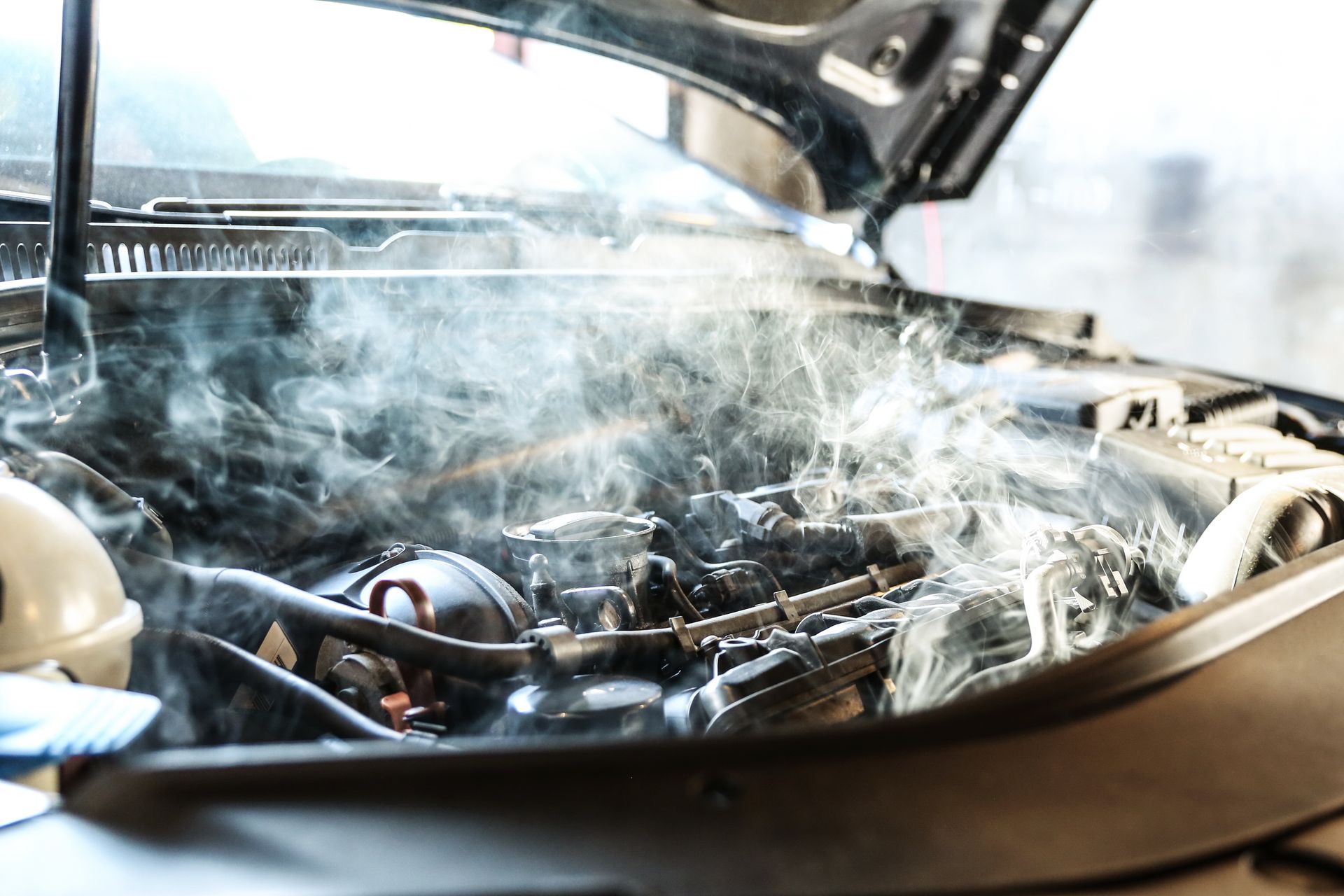
- Smoke appears near a wheel
Do not touch a wheel or brake component that may be overheated. The metal can cause serious burns. Smoke, a severe pull, or a wheel that will not rotate freely requires the vehicle to be stopped and towed.
Why A Sticking Caliper Is Dangerous
Continuous friction can raise brake temperature far beyond the normal operating range. Excessive heat damages pads, creates rotor hot spots, weakens seals, and can transfer into the wheel bearing and tire.
Brake fluid can also become hot enough to boil. Vapor inside the hydraulic system compresses, which can produce a soft pedal and reduced braking force. A dragging brake on one side may also make the vehicle unstable during an emergency stop.
Continued driving increases the repair scope. A problem that began with one hose or caliper may eventually require pads, rotors, fluid service, wheel bearing work, or tire replacement. Regular maintenance helps reveal uneven wear and damaged boots before the brake begins dragging severely.
How Technicians Identify The Cause
Testing begins by comparing wheel resistance and temperature at all four corners. The technician checks pad wear, rotor condition, piston movement, slide pins, hardware fit, hose operation, and hydraulic pressure release.
The repair must address the confirmed source. Replacing a caliper will not correct pads seized in a corroded bracket or a restricted hose that continues trapping pressure. Related damage from overheating must also be evaluated before the vehicle returns to service.
Get Brake Caliper Repair In Indian Trail, NC, With East Carolina Automotive
East Carolina Automotive in Indian Trail, NC, can test sticking calipers, restricted hoses, seized slide pins, brake hardware, pads, rotors, and hydraulic operation.