A used vehicle can look great during a quick test drive. The paint shines, the interior smells clean, and the seller has a convincing answer for every small concern. Maybe the car even drives well enough around the block to make you feel like you found the right one.
That is exactly why a pre-purchase car inspection is so useful. It slows down the decision and gives you a clearer view of what you are actually buying. A clean vehicle can still hide leaks, old repairs, worn suspension parts, engine problems, brake wear, or warning signs that are not obvious until the car is on a lift.
A Test Drive Does Not Show Everything
A test drive is important, but it has limits. You might notice a vibration, a pull, a rough shift, or a strange noise if the problem is obvious enough. Many issues stay quiet during a short drive, especially if the vehicle is warmed up, driven gently, or only taken through neighborhood streets.
Some sellers know how to make a vehicle feel better for a quick showing. Freshly cleaned engine bays, cleared warning lights, new tires, or recent detailing can make a car look more cared for than it really is. A shop inspection gives you information beyond first impressions.
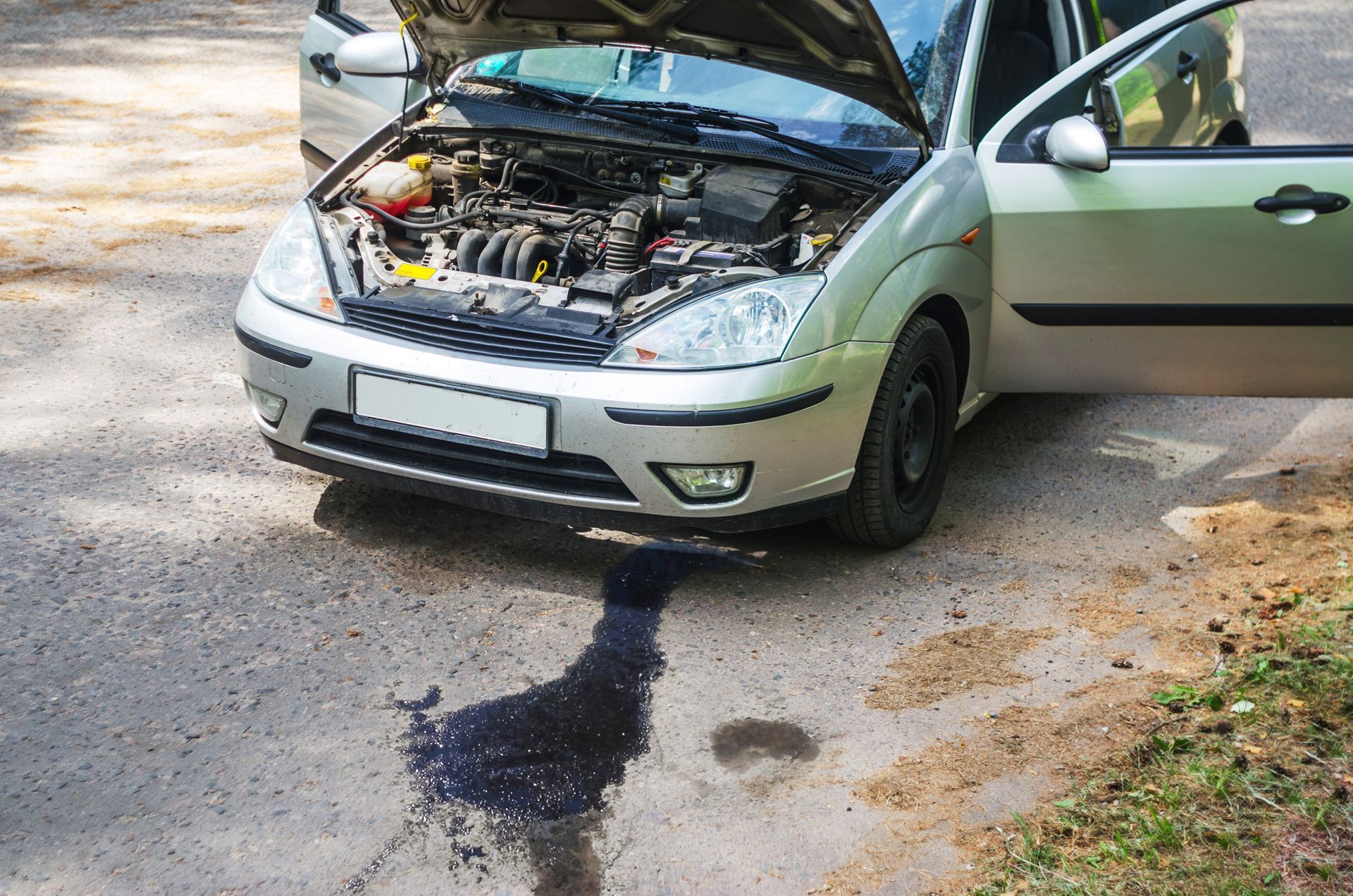
Hidden Leaks Can Tell A Bigger Story
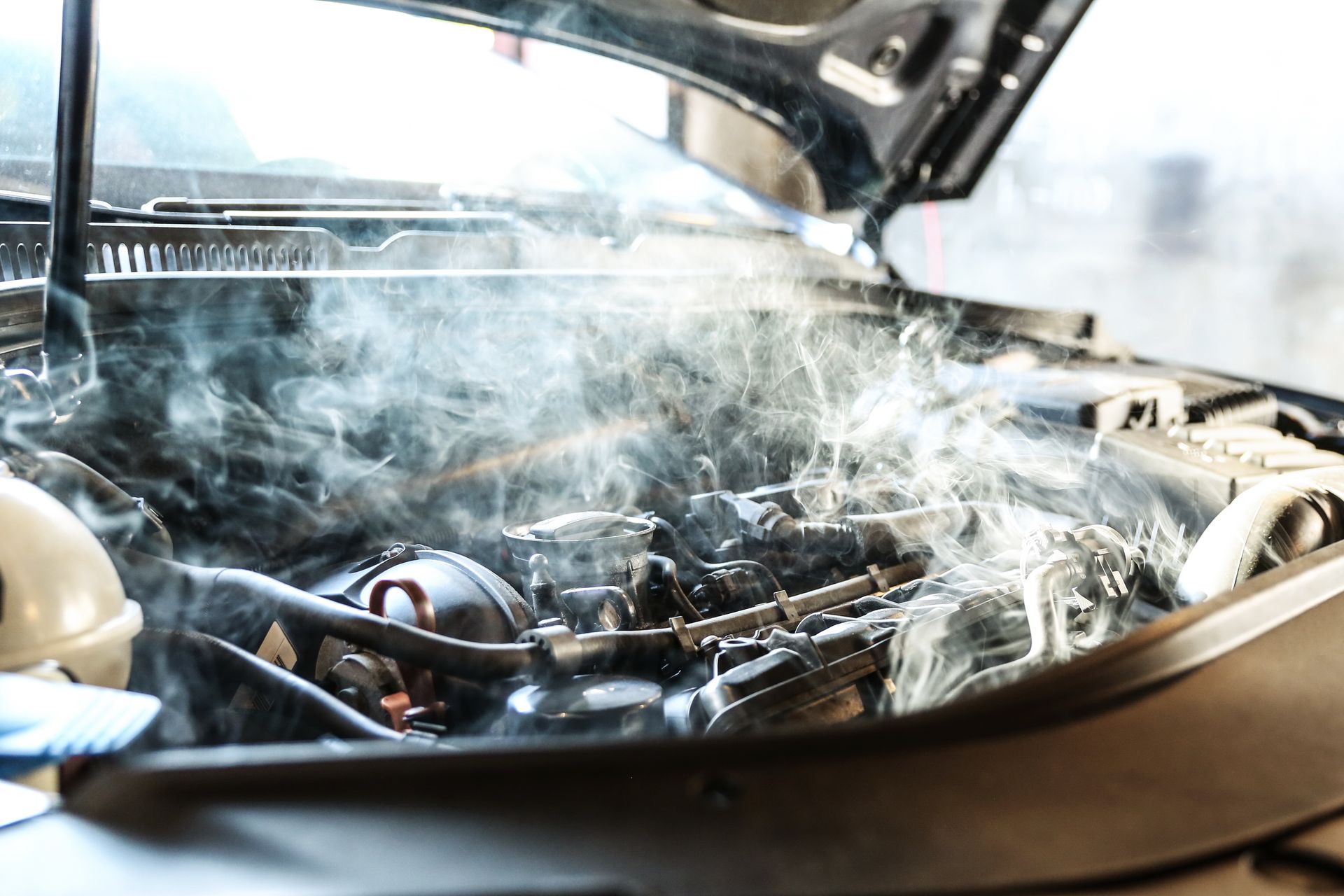
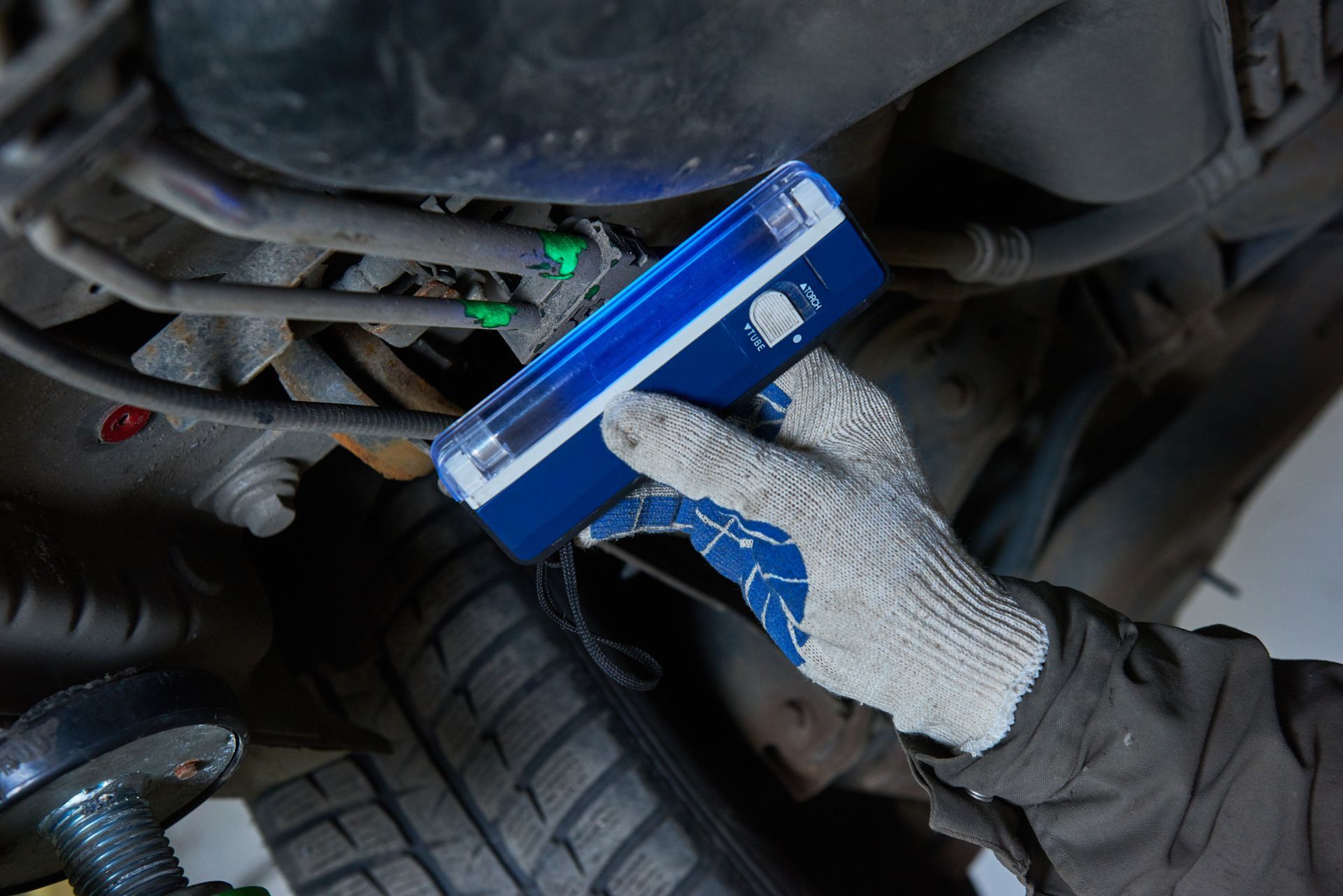
Leaks are among the most important things to check before buying a used vehicle. Oil, coolant, transmission fluid, brake fluid, power steering fluid, and differential fluid all leave clues about how the vehicle has been maintained and what repairs may be coming.
A small seep does not always mean you should walk away, but it should be part of the decision. A coolant leak can point toward an overheating risk. An oil leak can spread onto belts, mounts, or exhaust parts. A transmission leak can lead to shifting problems if the fluid level drops. Knowing about leaks before purchase gives you room to negotiate or avoid a bad deal.
Tires And Suspension Reveal How The Car Was Driven
Tire wear can tell a lot about a used vehicle. Uneven tread, cupping, feathering, or one tire wearing faster than the others can point toward alignment problems, worn shocks, bent parts, or suspension looseness. New tires can hide that story, but the suspension underneath still needs to be checked.
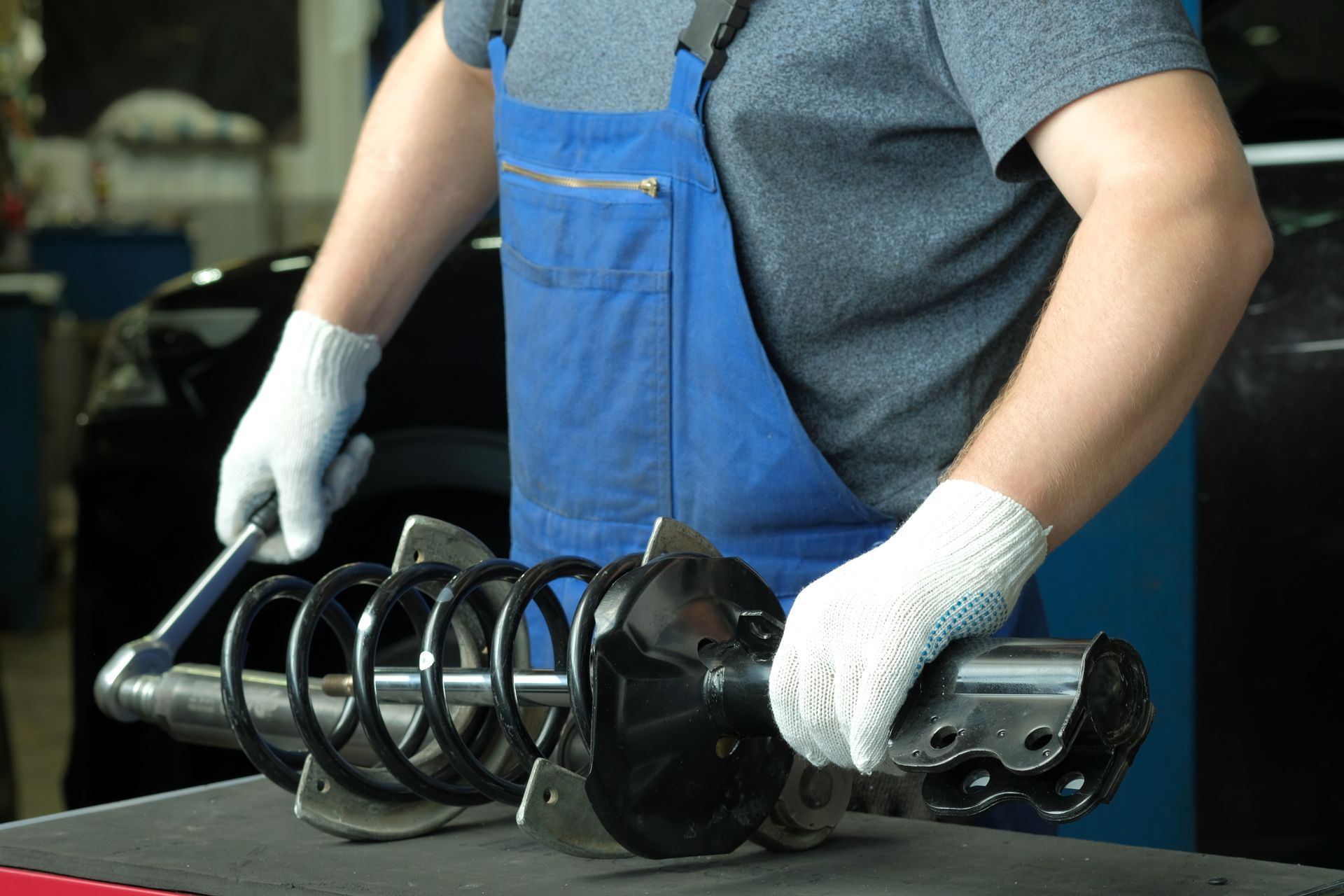
Suspension and steering parts should be inspected for looseness, worn bushings, bad ball joints, damaged tie rods, leaking struts, and signs of impact. A vehicle that hit a curb or pothole hard enough can still drive straight for a short test drive while wearing tires poorly later. That is why the undercarriage matters.
Brakes Should Be Checked Before You Buy
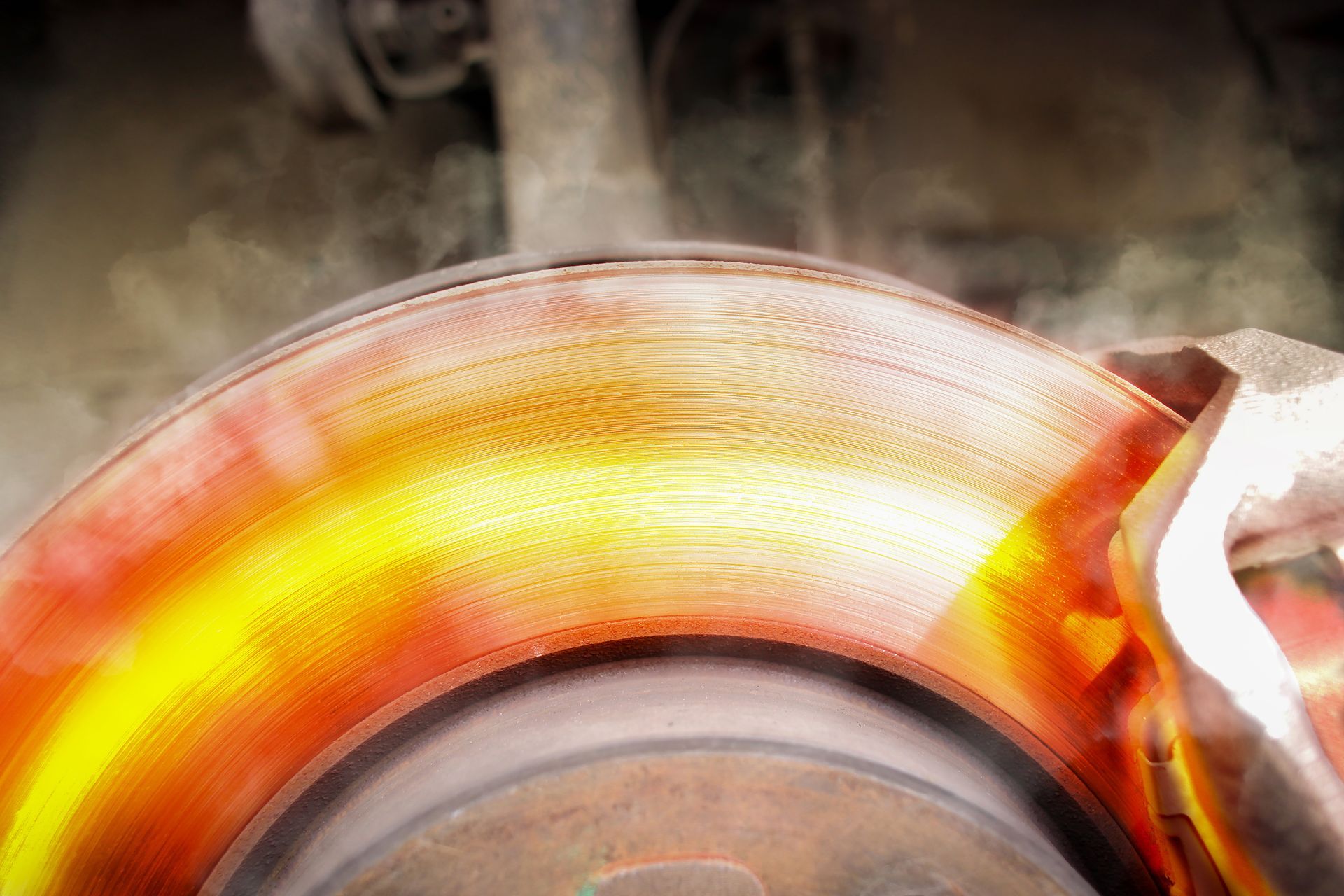
Brake repairs can quickly add to the cost after a used-car purchase. Pads, rotors, calipers, hoses, brake lines, and fluid conditions all deserve attention. A car can stop during a test drive and still have thin pads, rusty rotors, a sticking caliper, or brake fluid that needs service.
Brake vibration, squealing, grinding, pulling, or a soft pedal are obvious warnings, but not every brake problem is that clear. A pre-purchase check can show whether the brakes are in good shape or whether the first repair bill is already waiting for you.
Warning Lights And Computer Data Need Attention
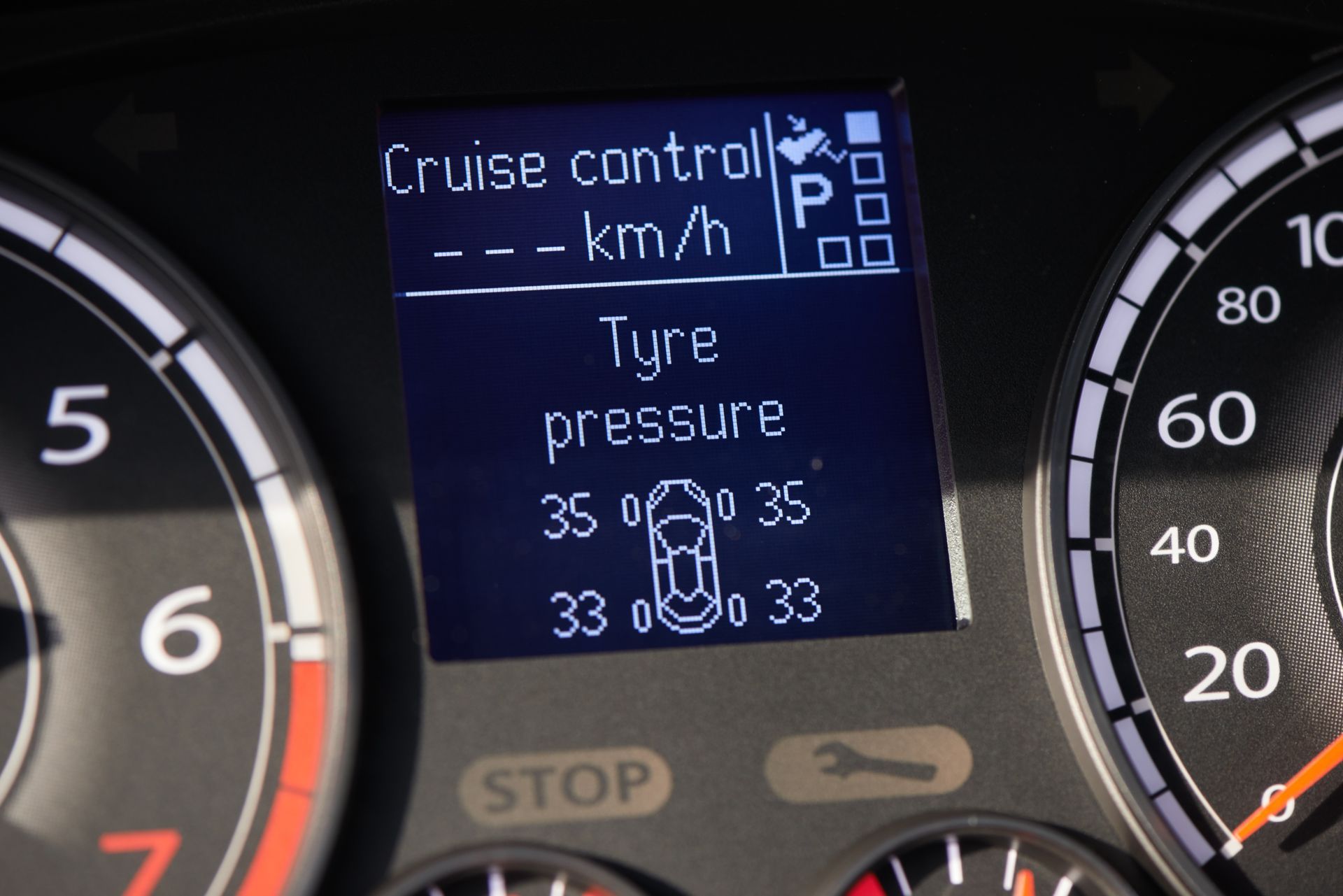
A dashboard with no warning lights does not always mean the vehicle is problem-free. Codes may have been recently cleared, the battery may have been disconnected, or a fault may be pending but not active enough to turn the light back on yet.
A scan can check stored codes, pending codes, readiness monitors, and live data when needed. If emissions monitors are not ready, that may suggest recent code clearing. If fuel trims, misfire data, charging voltage, or sensor readings look wrong, the vehicle may be hiding a problem that has not fully shown itself yet.
Previous Repairs And Accident Signs Can Be Hard To Spot
Some used vehicles have repairs that look fine from a distance but tell a different story up close. Uneven panel gaps, overspray, mismatched paint, bent brackets, missing fasteners, damaged splash shields, or poorly routed wiring can point toward previous collision work or rushed repairs.
Not every previous repair makes a car a bad choice. The concern is whether the repair was done properly. A sloppy repair can create electrical problems, water leaks, tire wear, alignment trouble, and repeat issues later. A careful inspection can help separate normal used-car wear from something more concerning.
A Good Inspection Helps You Make A Smarter Decision
A pre-purchase inspection is not about finding a perfect used car. Most used vehicles have some wear. The value is knowing what kind of wear you are dealing with and whether the asking price makes sense. It can help you avoid a car with hidden problems or give you confidence when the vehicle checks out well.
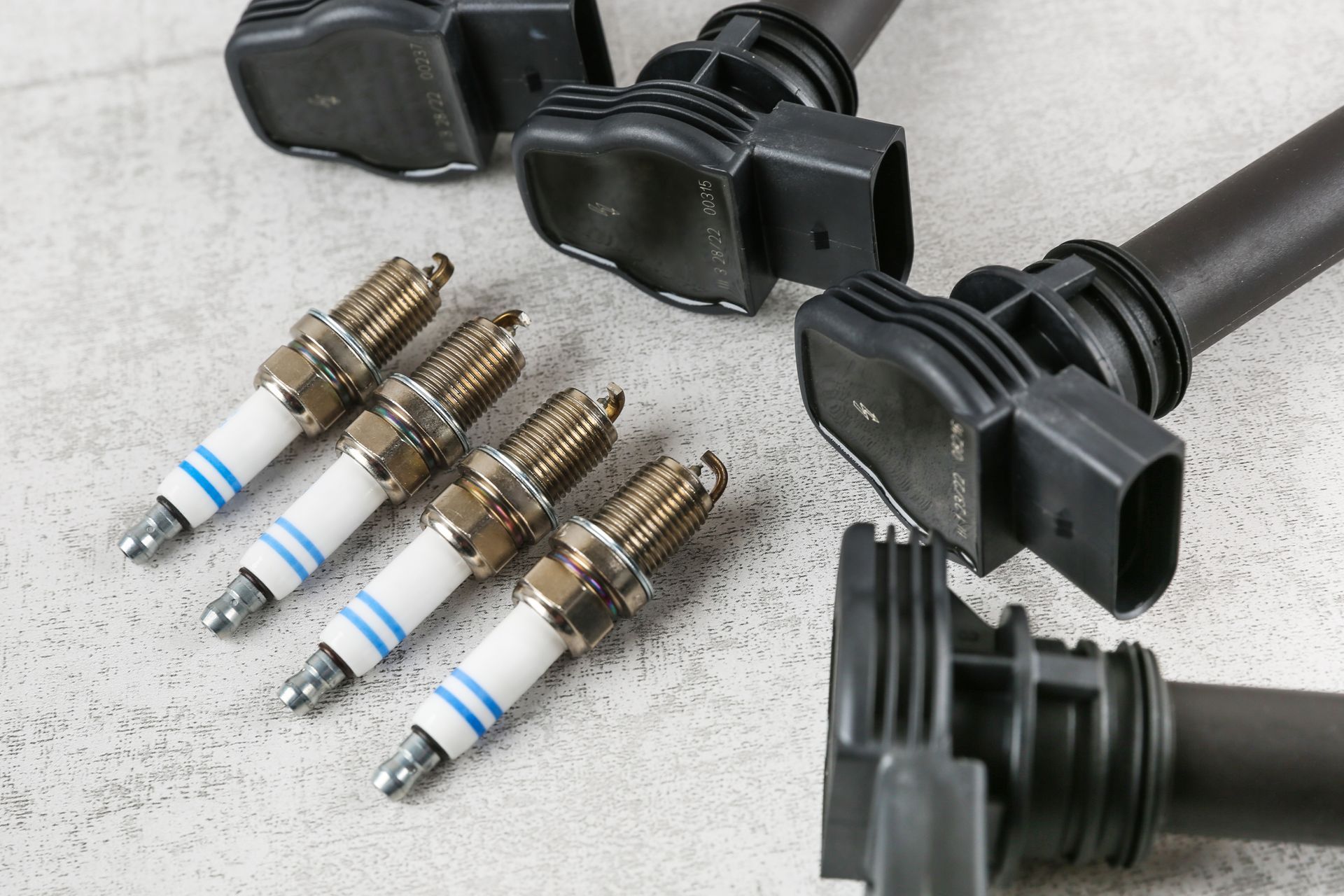
It can also help you plan regular maintenance after purchase. If the vehicle needs fluids, filters, brakes, tires, or minor repairs soon, you can budget for them instead of being surprised. The best used car decision is the one made with real information, not just a clean test drive and a good-looking listing.
Get a Pre-Purchase Car Inspection In Indian Trail, NC, With East Carolina Automotive
Before you buy a used vehicle, our Indian Trail, NC, team can check the major systems and help you understand what condition the car is really in.
To avoid buying the wrong used vehicle, contact us to schedule an appointment.