A timing belt is a simple-looking part with a very serious job. It keeps the crankshaft and camshaft in sync so valves open and close at the right moment. When a belt wears out or skips teeth, the engine can run poorly or stop altogether. On many engines, a broken belt can also bend valves.
Paying attention to the signs and the service interval keeps your engine safe and your schedule predictable.
What a Timing Belt Does
The belt links the bottom end of the engine to the top end, coordinating piston travel with valve timing. It has molded teeth that ride on toothed sprockets and a reinforced backbone to resist stretching. A spring or hydraulic tensioner keeps the belt tight through temperature changes. When everything is healthy, you get smooth starts, steady idle, and clean power.
Service Intervals and Why They Vary
Most manufacturers recommend replacement somewhere between 60,000 and 105,000 miles, or by time, often around 7 to 10 years. Climate, driving style, and maintenance history all matter. Heat cycles, oil mist, and coolant leaks age rubber faster. If you bought a used car with incomplete records, it is wise to set a preventative baseline rather than guessing. Time counts even when mileage is low, because rubber hardens as the years pass.
Early Clues a Belt Service Is Due
A failing belt is often quiet until the very end, but the surrounding hardware leaves hints. Watch and listen for:
- A chirp or light squeal from the timing cover area at startup
- A rough idle or hesitation after a cold soak, then improvement as the engine warms
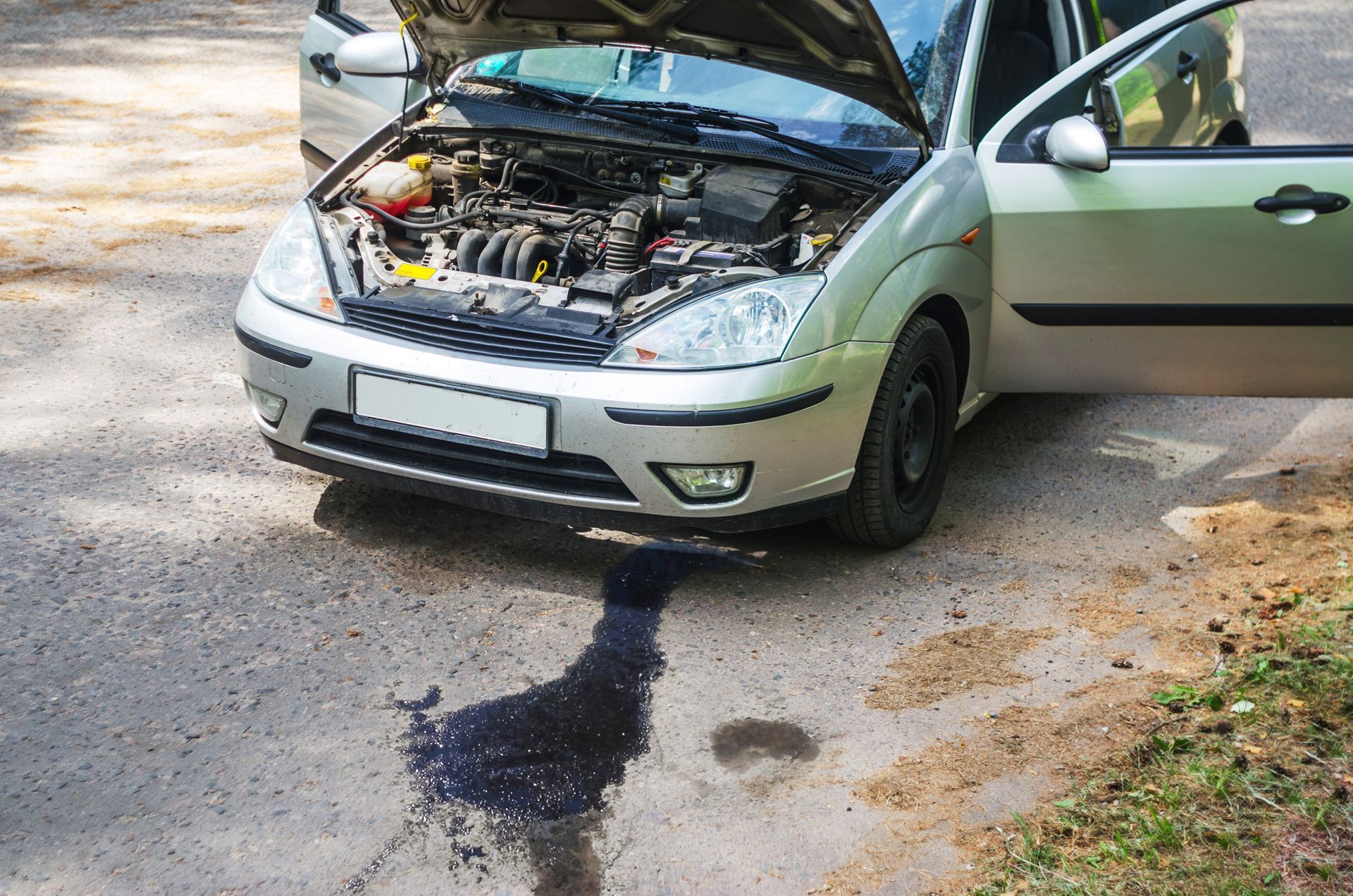
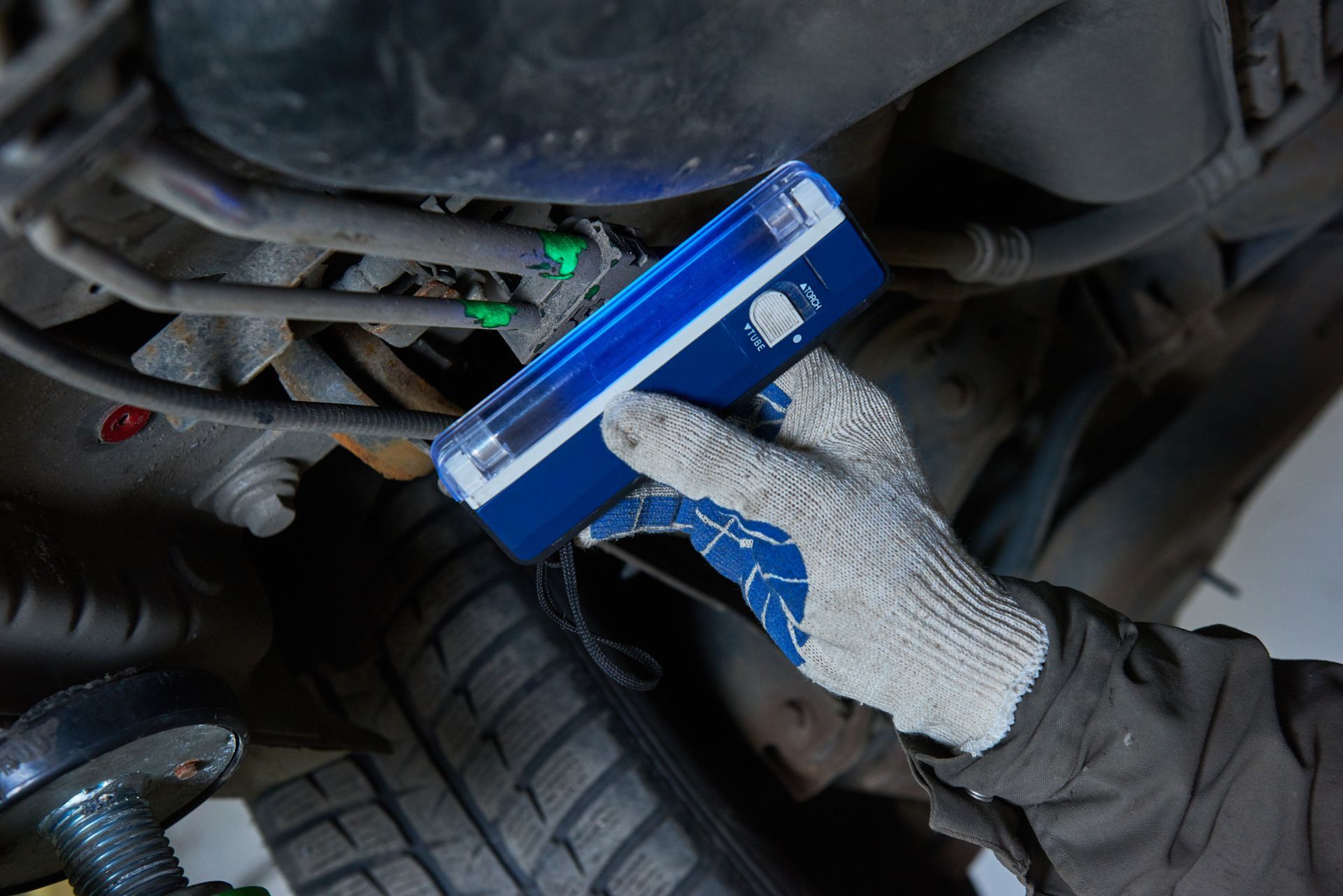
- Visible coolant or oil seepage near the timing cover, water pump, or cam seals
- Check engine light with cam timing correlation codes on some models
Any leak near the belt is a priority. Oil or coolant on the belt can soften the rubber and shorten its life dramatically.
Why Waiting Can Get Expensive
Many engines are interference designs. That means if the belt slips or breaks, pistons and valves can meet. The result is bent valves, damaged guides, and a cylinder head repair that dwarfs the cost of a belt job. Even on non-interference engines, a broken belt leaves you stranded and may damage the tensioner or water pump as parts seize. Replacing the belt on time is risk management that pays for itself the first time you avoid a tow.
Replace the Whole System, Not Just the Belt
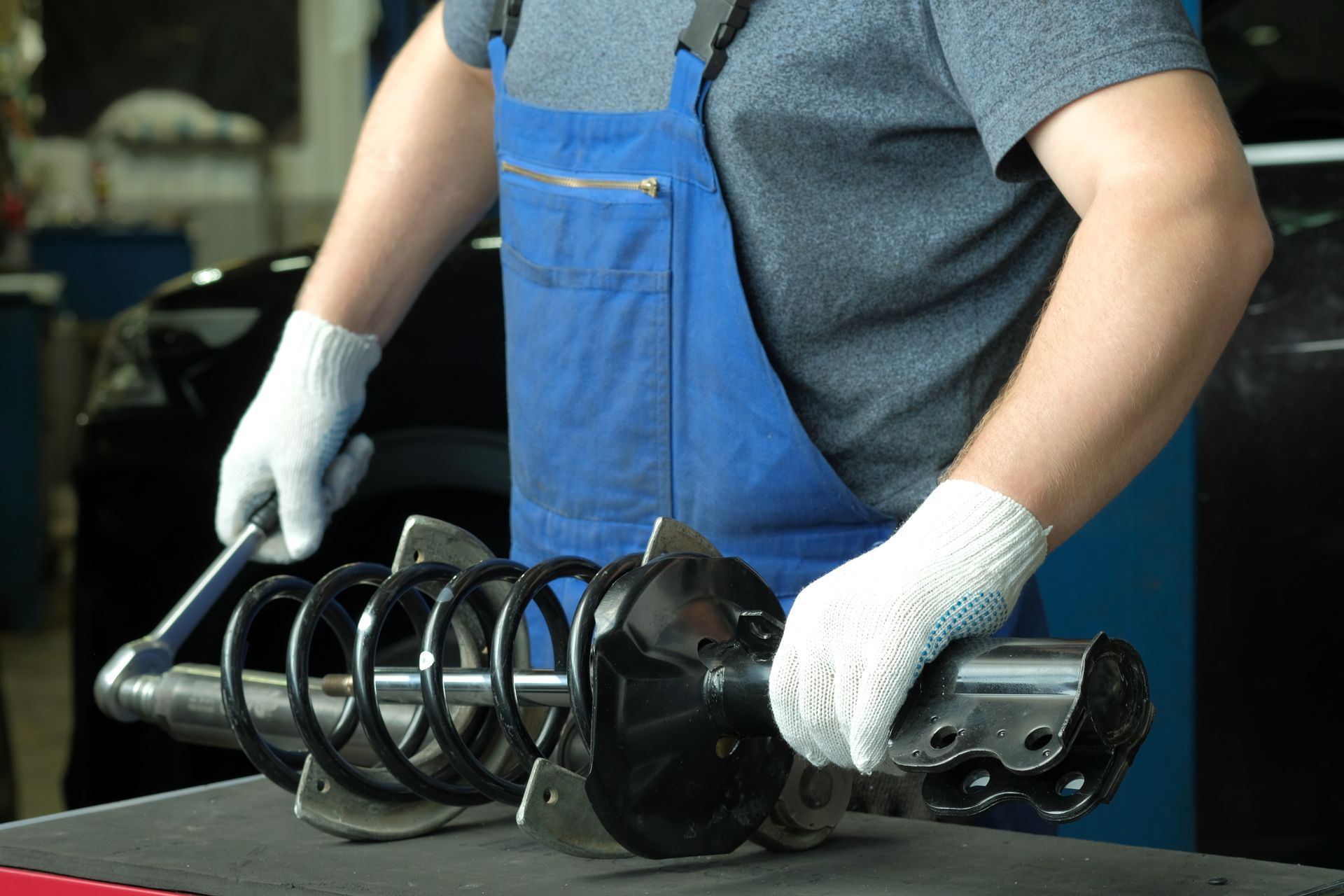
A thorough service includes the belt, tensioner, idler pulleys, and usually the water pump if it is driven by the belt. Fresh cam and crank seals are smart when access is open. New hardware and correct torque settings keep the tension stable so the belt tracks true. Skipping a noisy idler or an aging pump can bring you back early for the same labor, which is why a complete kit saves money over the life of the car.
Timing Belt vs. Timing Chain: A Quick Note
Some vehicles use a metal timing chain instead of a belt. Chains run in oil and generally last longer, but they still need attention if you hear rattling on cold starts, see metal in the oil, or have correlation codes. If your model uses a belt, the interval is firm. If it uses a chain, oil quality and oil change timing become the key predictors of longevity.
What a Professional Timing Belt Job Includes
Expect a clear estimate, then a careful teardown with alignment marks set before the belt comes off. The technician will lock the cam and crank in position, install the new components, set tension by the book, and rotate the engine by hand to confirm the marks align perfectly. Coolant is refilled and bled if a water pump is included. A road test and a final inspection for leaks close the job. You should leave with mileage and date labels under the hood so the next interval is never a guess.
Smart Habits That Protect the New Belt
Fix leaks promptly so oil or coolant cannot contaminate the belt. Follow time based oil service if you make short trips, since fuel dilution and moisture age seals faster. If the car sits for weeks at a time, occasional gentle drives keep seals lubricated. Listen for new noises after service and schedule a quick recheck if you hear anything unusual.
Schedule Preventative Timing Belt Service at East Carolina Automotive in Indian Trail, NC
If your mileage or years suggest the belt is due, or you are seeing leaks near the timing cover, we can help. Our technicians replace the belt, tensioner, idlers, water pump, and seals as needed, set timing precisely, and road test to verify smooth operation.
Schedule a visit with
East Carolina Automotive in Indian Trail, NC, and we will protect your engine, prevent roadside surprises, and give you a clear maintenance timeline for the miles ahead.