You hit about 55 mph and the steering wheel starts to buzz, shake, or feel like it's lightly pulsing in your hands. Around town, it may feel fine, which makes it confusing, and it can come and go depending on the road. A lot of drivers notice it most on the highway when they're trying to relax and cruise. The tricky part is that several different problems can feel almost identical from the driver's seat.
The pattern tells you where to look first.
Tire Balance Problems That Show Up At Speed
A wheel can be slightly out of balance and feel fine at 35 mph, then start vibrating once the tire spins faster. That's why the shake often begins around 50 to 60 mph and gets worse as speed climbs. You might feel it mostly in the steering wheel if it's a front tire, or more in the seat if it's a rear tire.
Sometimes the balance issue is simple, like a wheel weight fell off or mud packed into the wheel. Other times it's related to how the tire sits on the wheel, especially after a tire install. Regular maintenance like rotation and balance checks helps catch this before it turns into uneven wear.
Uneven Tire Wear And Road-Force Issues
A tire can be balanced and still vibrate if it has uneven stiffness as it rolls. Cupping, feathering, or flat spots can create a repeating shake that shows up most at highway speeds. You may notice it more on smooth pavement, because rough roads can mask the vibration.
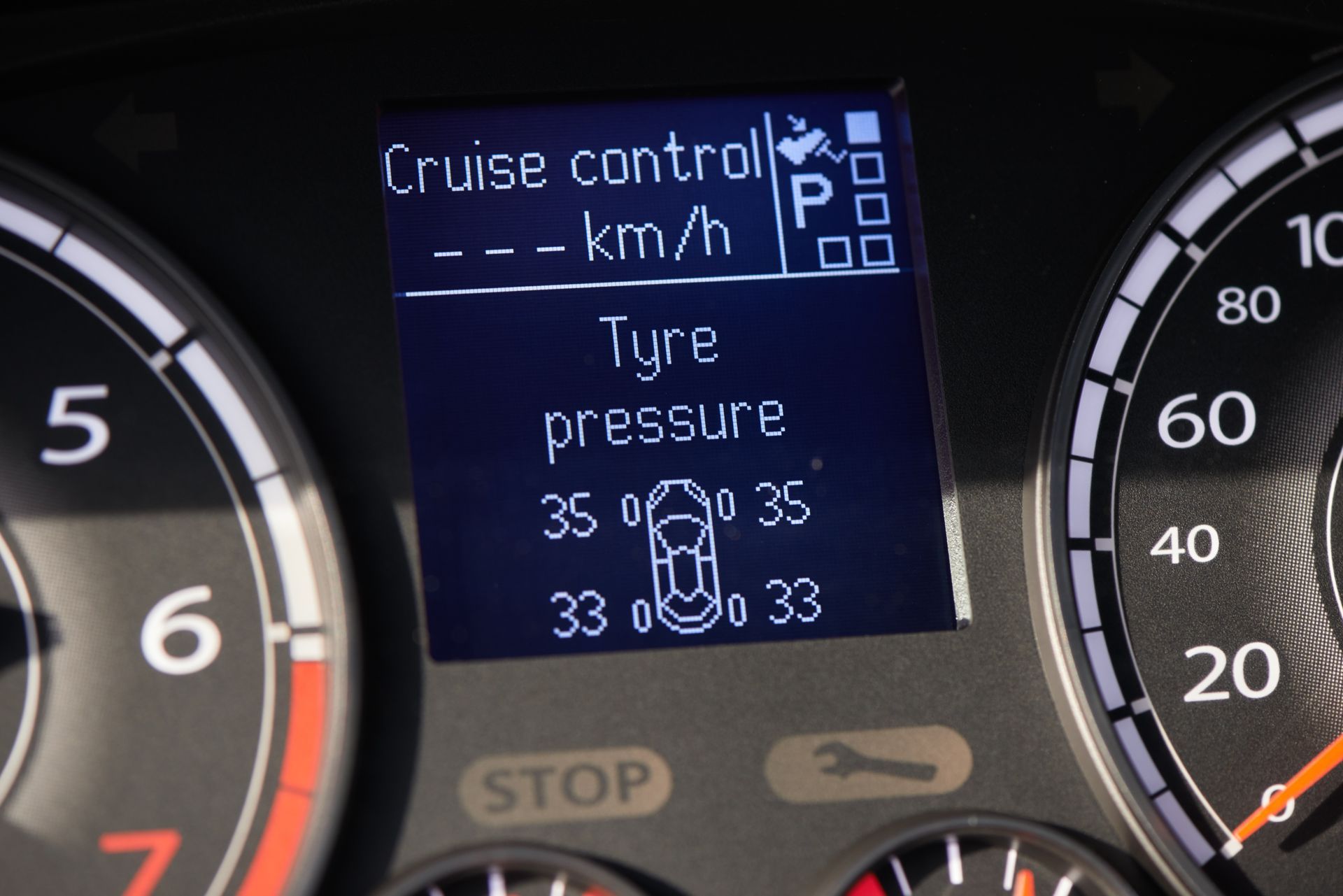
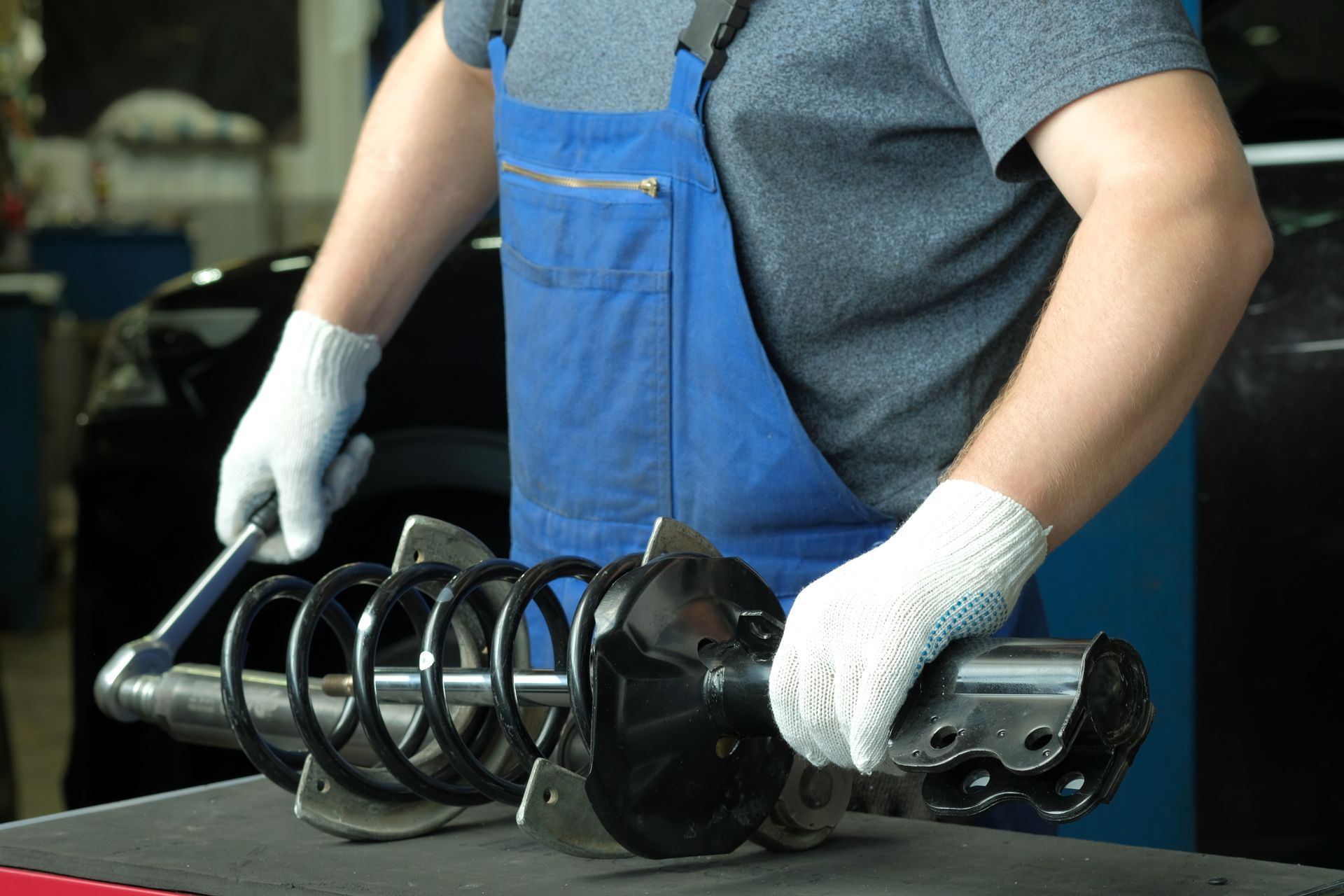
This is common after running low pressure for a while or driving on worn shocks. We've seen tires that looked fine at a glance but had a wear pattern you could feel by hand across the tread. Once a tire wears that way, balancing alone may not fully fix the vibration.
Bent Wheels Or Out-Of-Round Tires
A wheel that's slightly bent from a pothole hit can wobble as it rotates, even if the tire holds air and the car still drives straight. The shake might be mild at first, then grow worse as the bend or the tire's shape changes over time. Some drivers notice a rhythmic thump along with the vibration.
An out-of-round tire can do the same thing, especially if the internal belts are shifting or the tire was damaged by a hard impact. You may not see it while parked, but it becomes obvious once the tire is spinning fast. A proper spin check can confirm whether the wheel or tire is the source.
Alignment Drift And Loose Front-End Parts
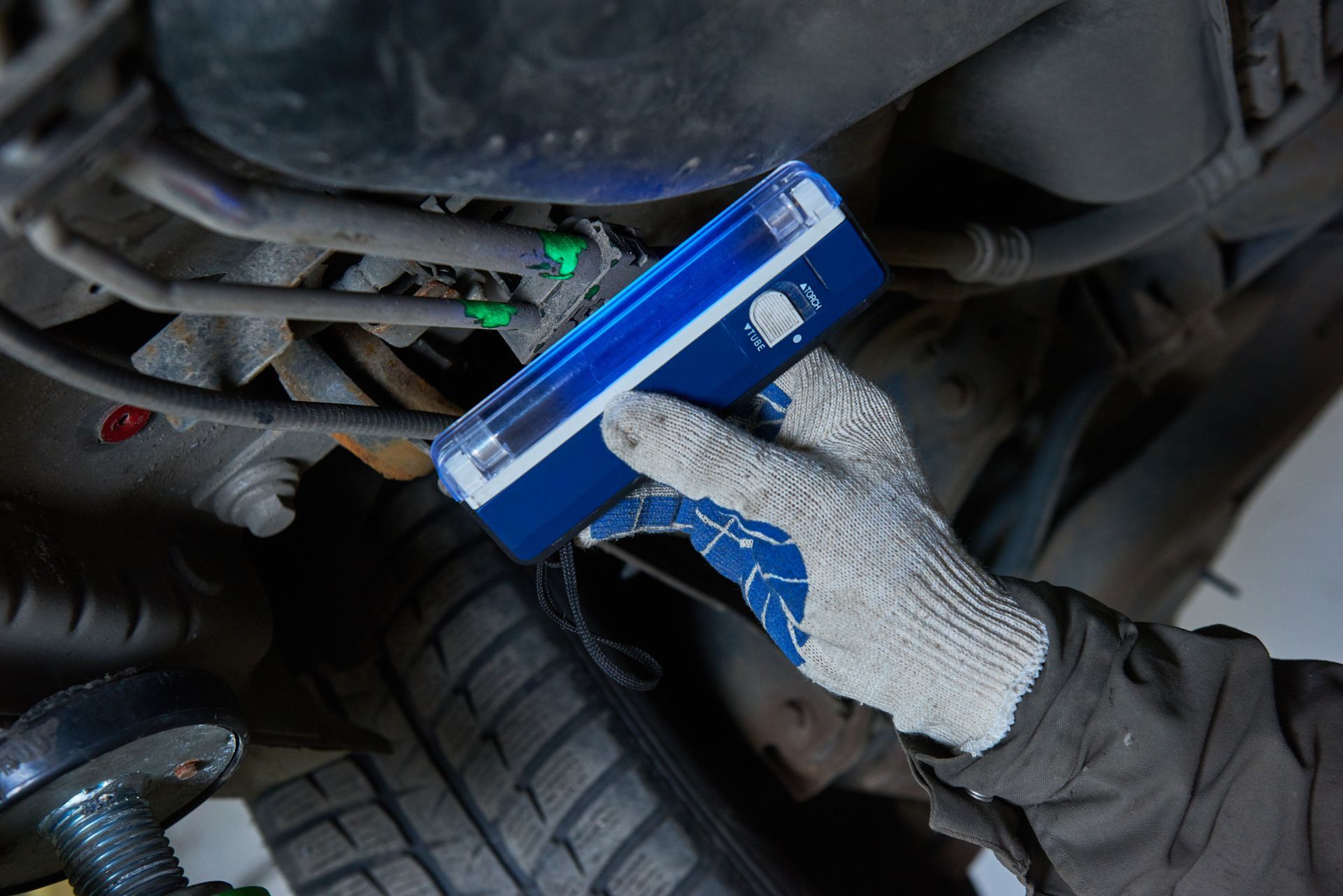
If a tie rod end, ball joint, or control arm bushing has play, the wheel can shimmy slightly at speed. This can feel like a vibration, but it also often comes with a hint of wandering or a steering wheel that doesn't stay centered. Grooved pavement or wind can make it feel worse because the front end is already a little loose.
Even a small amount of looseness can let the tires flutter instead of tracking cleanly. That's why an inspection of steering and suspension joints matters when the vibration isn't solved by tire work. If parts are worn, the alignment angles can shift while you drive, which keeps the shake coming back.
Brake Rotor Problems You Feel Without Braking
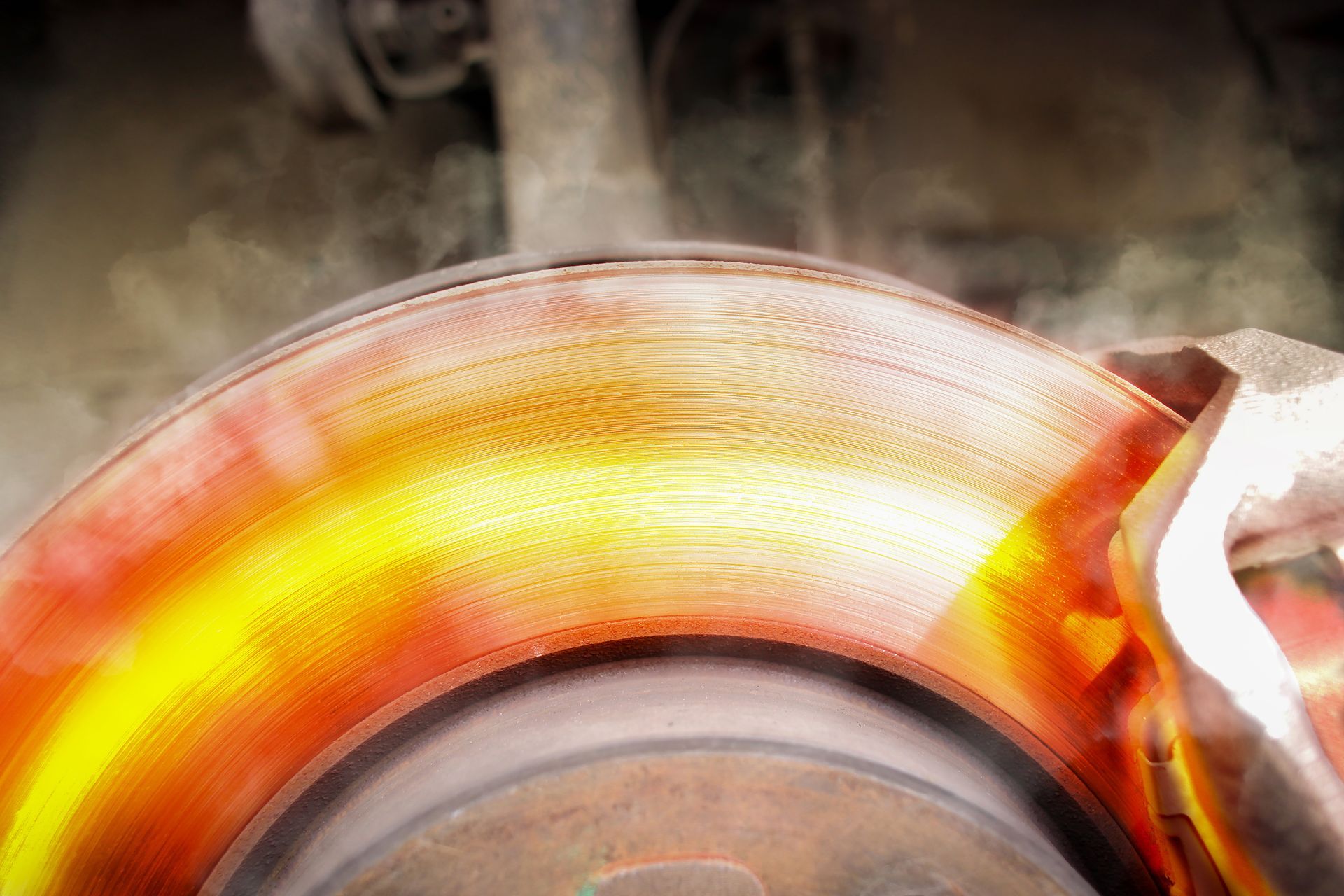
Most drivers associate brake issues with shaking while braking, but a rotor can have hot spots or uneven buildup that causes a light shimmy even when you're cruising. It's less common than tire-related causes, but it does happen. You might notice the steering wheel feels slightly unsettled after a recent brake job or after a long downhill drive.
A sticking caliper can contribute by creating heat and uneven contact that changes how the rotor wears. If the vibration gets worse after braking and then slowly fades, that's a useful clue. The fix may involve correcting brake drag and addressing the rotor surface, not just balancing tires again.
Wheel Bearings, Axles, And Mount-Related Vibration
A worn wheel bearing can create a hum and a vibration that increases with speed, and sometimes it transfers to the steering wheel. An axle that's slightly bent or a CV joint that's wearing unevenly can also create a shake that feels speed-related. These issues often have a more mechanical character than a tire vibration, and they may change when you turn gently.
Engine and transmission mounts can play a role too, especially if the vibration feels like it's coming through the whole front of the vehicle. If the shake is tied to acceleration more than speed, mounts and driveline components move higher on the list. The key is matching the vibration to when it appears, steady cruise, acceleration, braking, or turning.
Get Steering Vibration Checks In Indian Trail, NC, With East Carolina Automotive
East Carolina Automotive can pinpoint whether your steering vibration is coming from tires, wheels, brakes, or worn front-end parts, then recommend the most direct fix instead of a pile of guesses. Our technicians will test-drive it, check the wheel and tire setup, and look for looseness that shows up only at highway speed.
Bring it in when you want the highway to feel steady again.