Cooling system problems do not always begin with steam pouring from under the hood. Many start quietly. A faint coolant smell after parking. A reservoir that needs topping off from time to time. A temperature gauge that sits a little higher than normal in traffic. A heater that acts strange on a cold morning. Small clues like these are easy to brush aside because the engine has not overheated yet.
That is what makes trouble with the cooling system risky. By the time the temperature warning light comes on, the engine may already be running hotter than it should. Heat can damage gaskets, plastic fittings, hoses, sensors, and internal engine parts. Catching the early signs can be the difference between a planned repair and a very expensive overheating problem.
Coolant Loss May Start Before You See A Puddle
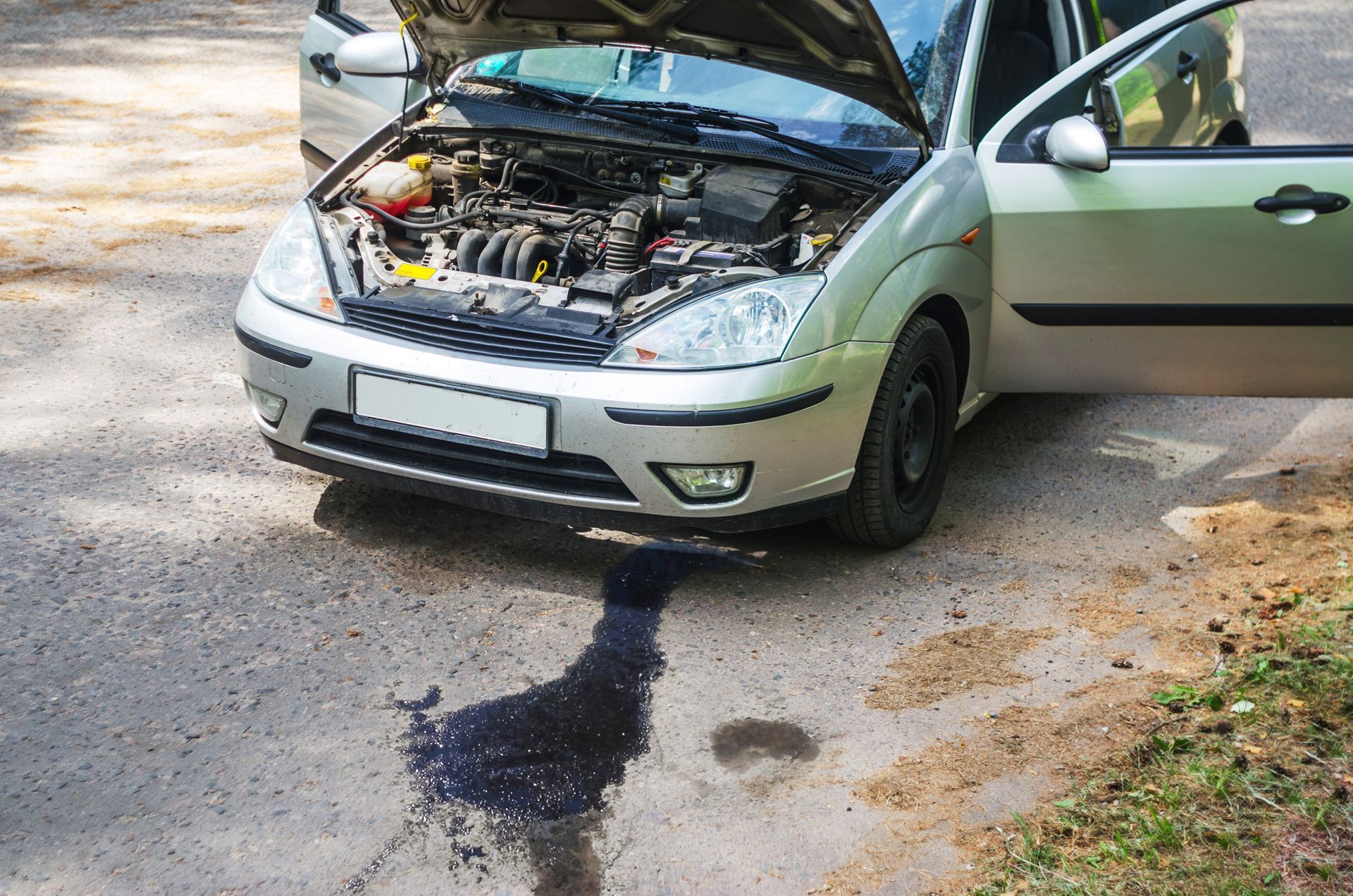
A cooling system can lose coolant without leaving a clear puddle under the vehicle. Some leaks happen only when the system is hot and pressurized. Others drip onto hot engine parts and evaporate before they reach the ground. The only signs may be a sweet smell, dried crust around a hose, or a low coolant reservoir.
Small leaks can come from radiator seams, water pump seals, hose connections, heater hoses, thermostat housings, reservoir tanks, radiator caps, or plastic fittings. Many of these parts age from heat cycles and pressure over time.
Topping off coolant may seem harmless, but coolant does not disappear for no reason. If the level keeps dropping, the system is trying to tell you something.
The Temperature Gauge Can Give Subtle Clues
Some drivers expect the temperature gauge to stay normal until the exact moment something fails. In reality, temperature behavior can change before a full overheat happens. The needle may climb slightly in traffic, drop once the vehicle starts moving, or rise when the A/C is on.
Those patterns can point toward fan problems, low coolant, poor radiator flow, a weak pressure cap, thermostat issues, or a water pump that is not circulating coolant well. A gauge that moves more than it used to deserves attention.
Modern vehicles may also hide small temperature changes better than older ones. Some gauges are dampened so they stay near the middle until the problem is more serious. A warning message may not appear until the cooling system is already under stress.
Hoses And Plastic Parts Can Fail With Age
Cooling system hoses live in a rough environment. They carry hot coolant, hold pressure, deal with vibration, and sit near engine heat. Over time, hoses can become soft, swollen, cracked, brittle, or weak around the ends.
Plastic parts are another concern. Many modern cooling systems use plastic tanks, fittings, connectors, thermostat housings, and reservoirs. These parts can become brittle after years of heat cycles. A tiny crack may seep for weeks before suddenly opening.
During an inspection, the condition of these parts matters just as much as the coolant level. A hose that looks swollen or oil-soaked may be close to failure even if it is not leaking yet.
The Radiator Cap And Pressure System Are Easy To Overlook
The cooling system is designed to hold pressure. That pressure raises the boiling point of the coolant and helps the engine manage heat. If the radiator cap or pressure cap gets weak, coolant can boil sooner or move into the overflow tank at the wrong time.
A bad cap can cause symptoms that mimic other problems. The reservoir may act strangely, coolant may be pushed out, or the engine may run hotter during traffic and hot weather. Since the cap is small, it is often overlooked until the larger parts have already been blamed.
Pressure testing can show whether the cap and system are holding properly. That is a simple check that can prevent a lot of confusion.
A Weak Water Pump Or Thermostat Can Sneak Up Slowly
The thermostat controls coolant flow into the radiator. The water pump keeps coolant moving through the engine. If either one begins failing, the symptoms may come and go before the vehicle overheats badly.
A thermostat that opens late can make the engine run hotter than normal. A worn water pump may circulate enough coolant at certain speeds but struggle at idle or under load. Some water pumps leak from a small weep hole before they fail more seriously.
A strange temperature pattern, coolant smell, noise near the pump, or heat that changes inside the cabin can all point toward circulation trouble. These are not signs to wait out.
Early Warning Signs Drivers Should Not Ignore
Cooling system trouble often gives small hints before the big warning appears.
- A sweet smell after driving can mean coolant is leaking onto hot parts, even if no puddle is visible under the vehicle.
- A coolant reservoir that keeps dropping means the system is losing fluid somewhere, and repeated top-offs only delay finding the leak.
- A heater that blows cold while the engine is hot can point toward low coolant, air pockets, or poor circulation inside the system.
- A temperature gauge that climbs in traffic but improves while driving may suggest cooling fan problems, radiator airflow issues, or low coolant.
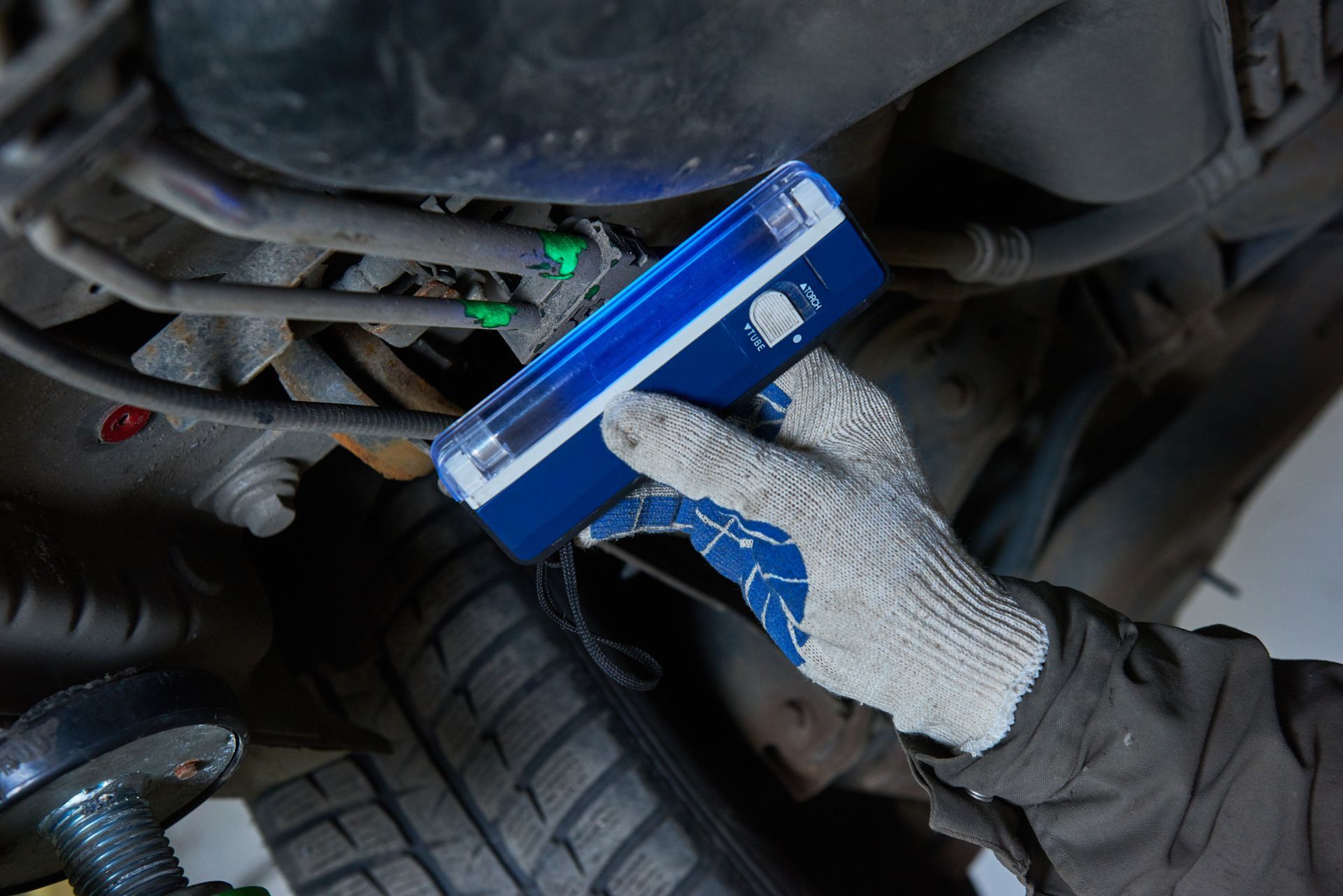
- Dried white, green, pink, or orange residue around hoses and fittings can mark a leak that appears only under pressure.
- Cooling fans that run constantly may be trying to compensate for a system that is already struggling to shed heat.
These signs may seem minor on their own. Together, they can point to a cooling system that needs service before it overheats.
Why Early Cooling System Service Protects The Engine
An overheated engine can be damaged quickly. Head gaskets, cylinder heads, sensors, seals, hoses, and plastic parts can all suffer from excess heat. In severe cases, the repair can go far beyond the original cooling system problem.
Regular maintenance helps catch weak hoses, old coolant, loose clamps, pressure problems, radiator concerns, and early leaks before heat gets out of control. Coolant condition also matters, as old coolant can lose its corrosion protection and leave deposits inside the system.
Waiting until the engine overheats is not a good test of whether the cooling system is healthy. A better test is checking the parts before the warning light has to get involved.
Get Cooling System Service In Indian Trail, NC, With East Carolina Automotive
If your vehicle smells like coolant, loses coolant, runs hotter than usual, has strange heater behavior, or shows signs of leaks around the cooling system, East Carolina Automotive in Indian Trail, NC, can check the radiator, hoses, water pump, thermostat, pressure cap, coolant condition, and related parts.
For cooling system service before a small problem turns into engine overheating, contact us to schedule an appointment.
Commonly Asked Questions About Cooling System Problems
Can My Car Have A Cooling System Problem Without Overheating?
Yes. Small leaks, weak caps, aging hoses, poor coolant condition, or early thermostat problems can appear before the engine overheats. Early symptoms should be checked before heat damages the engine.
Why Does My Coolant Keep Getting Low If I Do Not See A Leak?
Coolant may leak only when the system is hot and pressurized, or it may evaporate on hot engine parts before dripping. A pressure test can help find leaks that are not obvious from the ground.
How Often Should The Cooling System Be Checked?
The cooling system should be checked during routine service and any time coolant level changes, temperature behavior changes, or a sweet smell appears after driving. Older vehicles or vehicles with unknown service history may need closer attention.