Car A/C leaks feel unfair because the system can work great for years, then slowly lose its edge until you are stuck with warm air in the middle of summer. Most drivers assume refrigerant gets used up like fuel, so topping it off seems logical. In reality, refrigerant only disappears when it escapes the system, and there are a lot of ways for that to happen in a vehicle.
The reasons come down to design, environment, and time.
How Car A/C Systems Are Built To Leak
A home A/C system sits still, uses mostly rigid lines, and does not have to deal with constant vibration. A car’s A/C system is the opposite. It has flexible hoses, multiple connection points, and components packed into a hot engine bay that expands and contracts every drive.
Even when everything is well-built, seals and O-rings age. Add thousands of heat cycles and bumpy roads, and tiny seep points become more likely. That is why leaks are common as vehicles get older, even when the A/C has never been touched.
The Most Common Leak Points Under The Hood
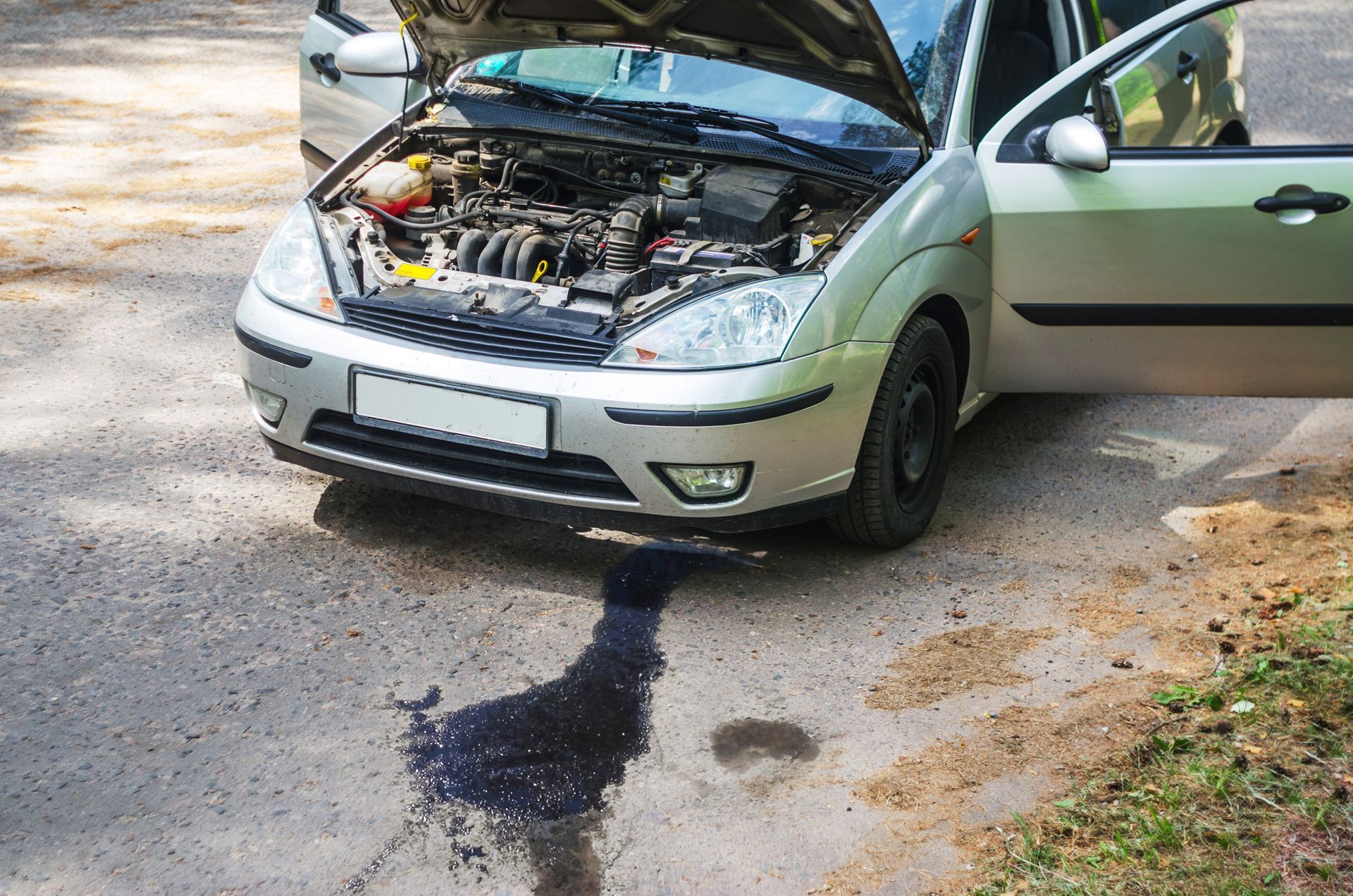
Most refrigerant leaks happen at places where parts connect or where seals have to move and flex. The system is full of O-rings, crimped hose ends, and service ports that can slowly seep. Some leaks are obvious once you know where to look, because refrigerant carries oil and the leak area can look slightly damp or dirty.
Common leak sources we check first include:
- Service port valve cores and missing or loose caps
- O-rings at hose connections and hard line fittings
- Compressor shaft seal and case seam areas
- Hose crimps where rubber meets metal
- The condenser face and end tanks
A leak at any one of these points can be slow enough that you only notice it when the weather turns hot. The system might still cool a little, but it will not keep up the way it used to.
Why Vibration And Heat Cycling Matter So Much
Vehicles vibrate constantly, and that movement stresses lines and fittings over time. If a line clip breaks or a bracket loosens, a hard line can rub against another surface, slowly wearing through. Those rub-through leaks can be annoying because they do not look dramatic until the line finally opens up.
Heat cycling is the other big factor. Rubber seals harden as they age, and metal fittings expand and contract every time the engine bay goes from cold to hot. A seal can be fine in mild weather, then start seeping when the summer heat raises pressure and softens the rubber just enough to move differently.
Condenser Damage From Road Debris
The condenser sits at the front of the vehicle, which makes it great at releasing heat and terrible at avoiding impacts. Rocks, road grit, and even minor fender-bender damage can create tiny pinholes. Those pinholes may not show immediate failure, but they can slowly bleed refrigerant out over weeks.
Blocked condenser fins can make things worse because higher pressures stress seals and weak points. If the front grille area is packed with debris, the system has to work harder to dump heat. That extra strain is often when small leaks become noticeable.
Why Seals Dry Out When A/C Is Rarely Used
A/C systems circulate oil with the refrigerant, and that oil helps keep seals conditioned. When the system is not used for long stretches, seals can dry and shrink slightly. Then the first heavy use of the season can reveal seepage that was not obvious during cooler months.
This is one reason regular maintenance habits help the A/C system even when you do not think about it. Running the A/C occasionally during cooler weather can help keep seals healthier. It is a simple habit that can reduce the odds of springtime surprising warm air.
The Right Way To Catch Leaks Early
If you have needed a recharge more than once, it is almost always better to find the leak than to keep topping off. A proper inspection checks vent temperature, system pressures, fan performance, and the most likely leak points for oily residue. If the leak is slow, UV dye or an electronic detector can pinpoint it without guesswork.
Quick cans and stop-leak products are where people get burned. Overcharging can reduce cooling and increase pressure, and stop-leak DIY products can contaminate equipment and clog passages. A clean repair is repairing the leak source, evacuating the system, and recharging by weight so performance is consistent.
Get A/C Leak Repair In Indian Trail, NC With East Carolina Automotive
East Carolina Automotive in Indian Trail, NC, can locate the leak, repair the source, and recharge the system to the correct spec so your A/C stays cold.
Book a visit and stop chasing the same problem every summer.