Fall weather in North Carolina can change quickly. Warm afternoons turn into cool mornings, daylight gets shorter, and your car starts dealing with conditions it has not seen in months. Small weaknesses in the battery, tires, wipers, cooling system, or ignition system can become much easier to notice as temperatures drop.
A fall check does not mean replacing parts just because summer is over. It means checking the systems most likely to affect starting, visibility, traction, and reliability before cooler weather arrives.
1. Test the Battery
Hot summer weather is hard on batteries. Heat speeds up internal deterioration, and the damage can stay hidden until cooler temperatures reduce the battery's available cranking power.
We test battery condition instead of judging it by whether the engine still starts today. A weak battery often cranks slower in the morning, needs more time to start the engine, or struggles after sitting overnight.
2. Check Tire Pressure
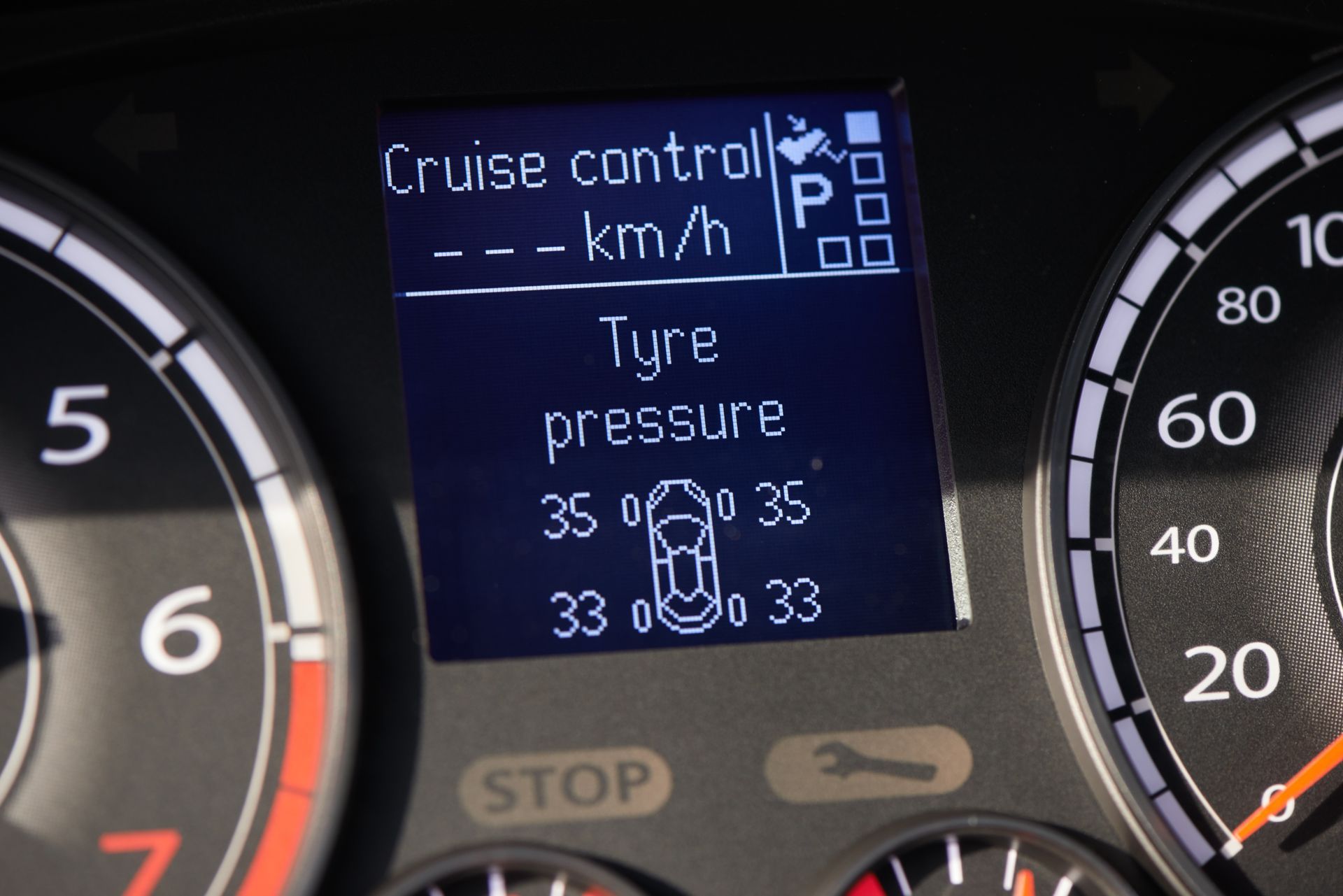
Air pressure drops as outside temperature falls. A tire that was already a little low in warm weather can become noticeably underinflated after several cool mornings.
Proper pressure improves steering, braking, fuel economy, and tread wear. We set pressure according to the vehicle specification rather than the maximum number printed on the tire sidewall.
3. Inspect Tire Tread
Fall brings wet leaves, rain, and slick pavement, so tread depth becomes more important. Tires need enough grooves to move water away from the contact patch and maintain grip.
During an inspection, we also look for uneven wear, cracking, damaged sidewalls, and easy-to-miss inside-edge wear. A tire can still have decent tread in the center while one shoulder is nearly worn out.
4. Look at the Wiper Blades
Summer sun and heat can harden the rubber on windshield wipers. The blades may look acceptable until the first heavy rain exposes streaking, skipping, or sections of the windshield they no longer clear.
If the rubber is cracked, torn, or leaving a haze, replacement is inexpensive and worth doing before darker fall commutes make visibility more difficult.
5. Check the Washer Fluid and Sprayers
Good wipers cannot help much if the washer reservoir is empty or the spray nozzles are clogged. Dust, bugs, road film, and light mud all become harder to clear without washer fluid.
We make sure the pump works and that the nozzles spray the windshield where they should. A weak spray can come from clogged nozzles, damaged hoses, or a failing washer pump.
6. Inspect the Serpentine Belt
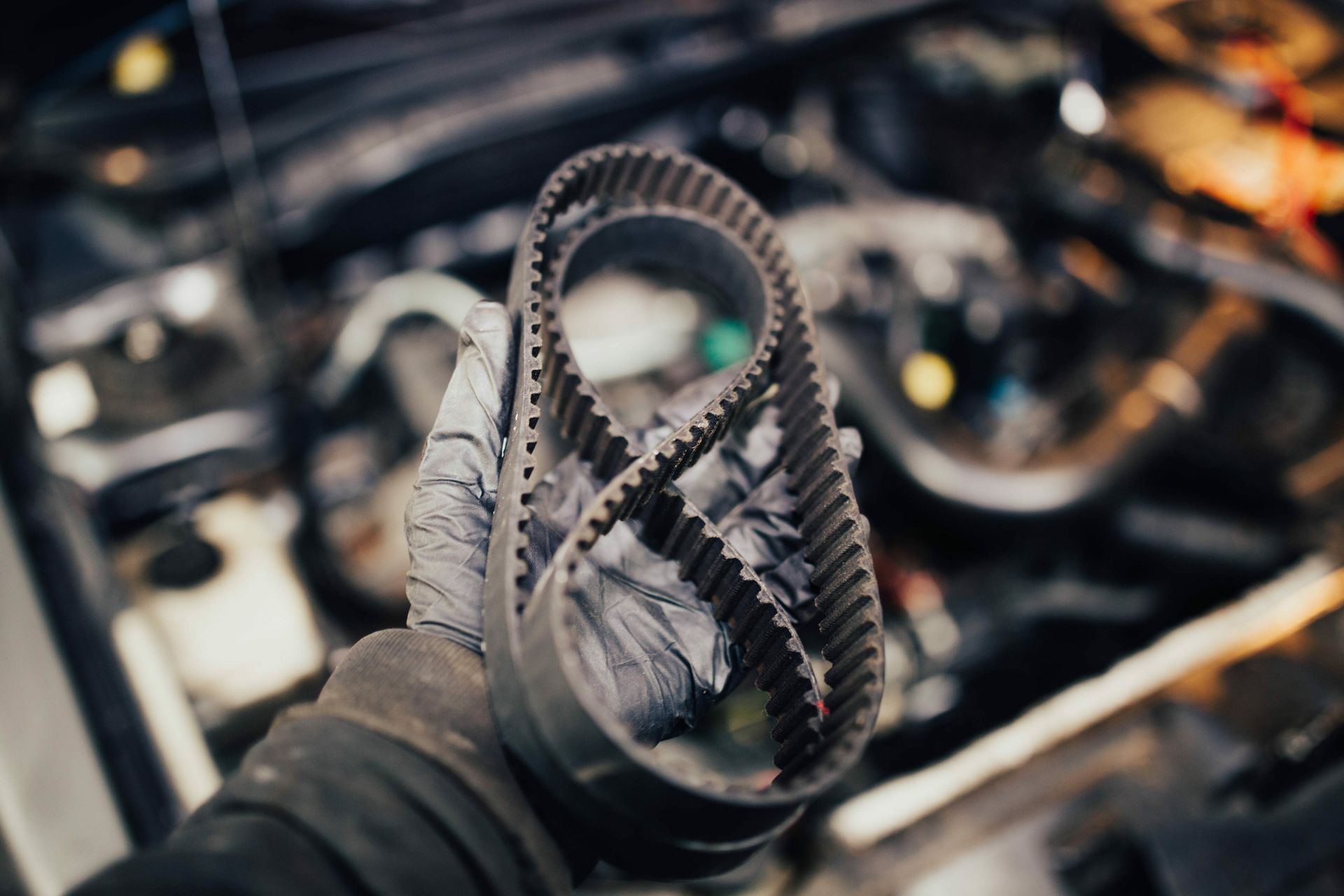
We look for glazing, frayed edges, missing rib material, cracking, and excessive tensioner movement. If the belt drives the water pump on your vehicle, a belt failure can cause overheating and a breakdown.
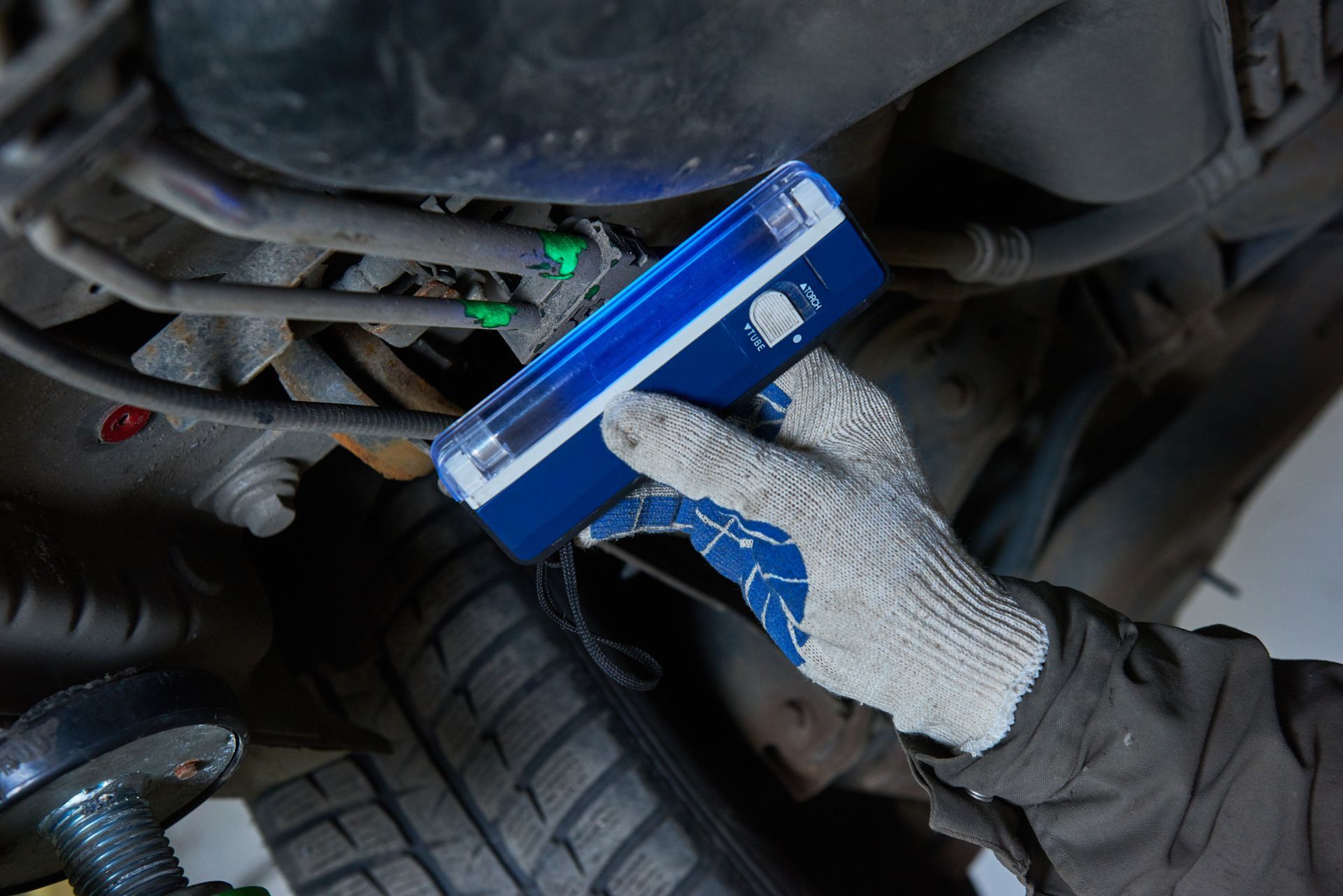
7. Check Coolant Level and Condition
The cooling system still matters once summer ends. Coolant controls engine temperature year-round and also helps protect the system against corrosion.
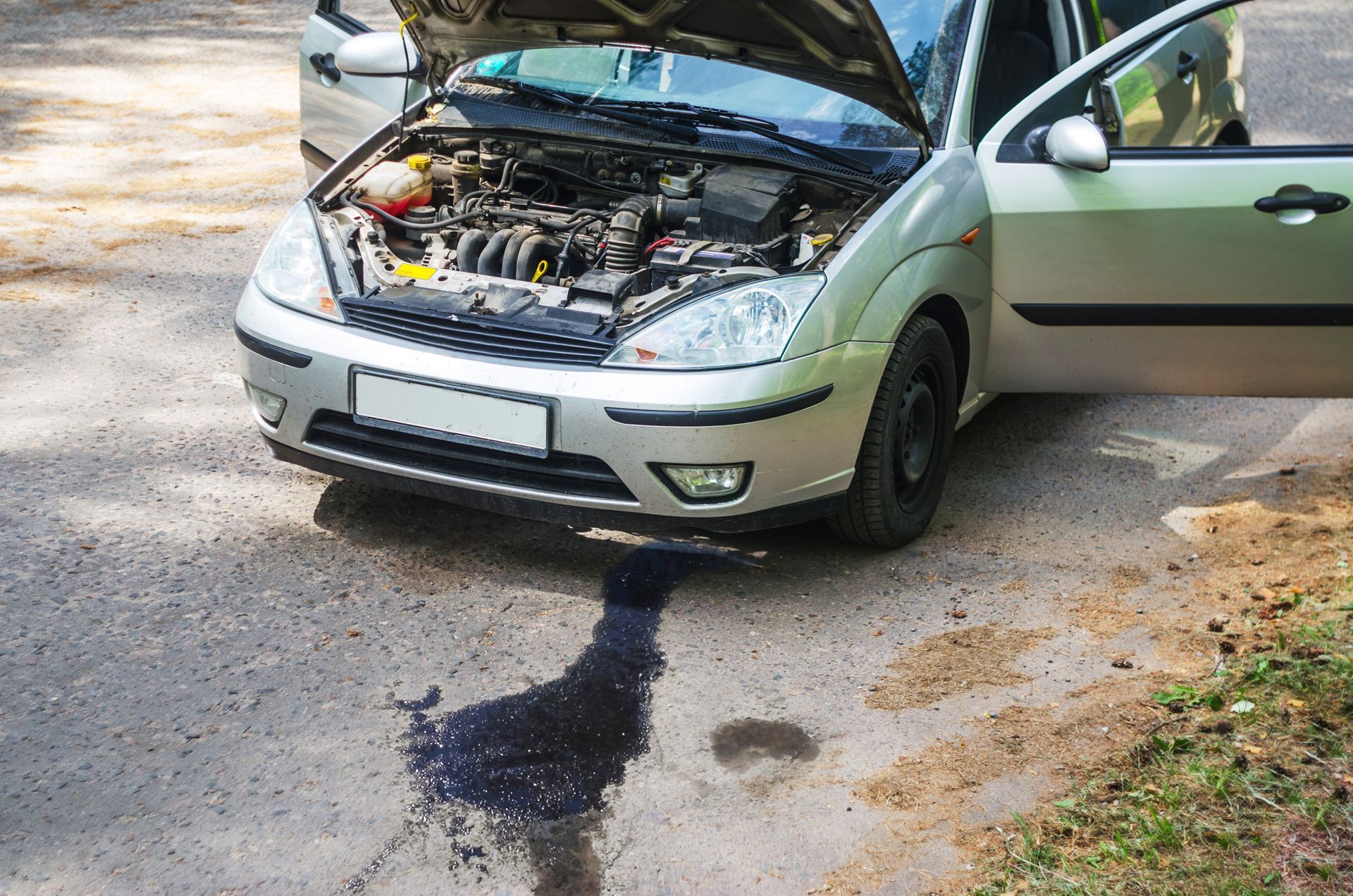
Low coolant can point toward a leak from a hose, radiator, water pump, thermostat housing, or another connection. We do not like repeatedly topping off the reservoir without finding out where the fluid is going.
8. Make Sure the Heater and Defroster Work
The heater is about comfort, but the defroster is a visibility system. On cool, damp mornings, you need enough warm, dry airflow to clear condensation from the windshield quickly.
Weak heat can come from low coolant, a faulty thermostat, a restricted heater core, or HVAC control problems. Reduced airflow can also point toward a clogged cabin air filter.
9. Check the Exterior Lights
Fall means more driving before sunrise and after sunset. Headlights, brake lights, turn signals, marker lights, and license plate lights all deserve a quick check before the days get shorter.
Cloudy headlight lenses can also reduce useful light output even when the bulbs still work. Good lighting helps you see the road and makes your vehicle easier for other drivers to see.
10. Pay Attention to Cold-Start Changes
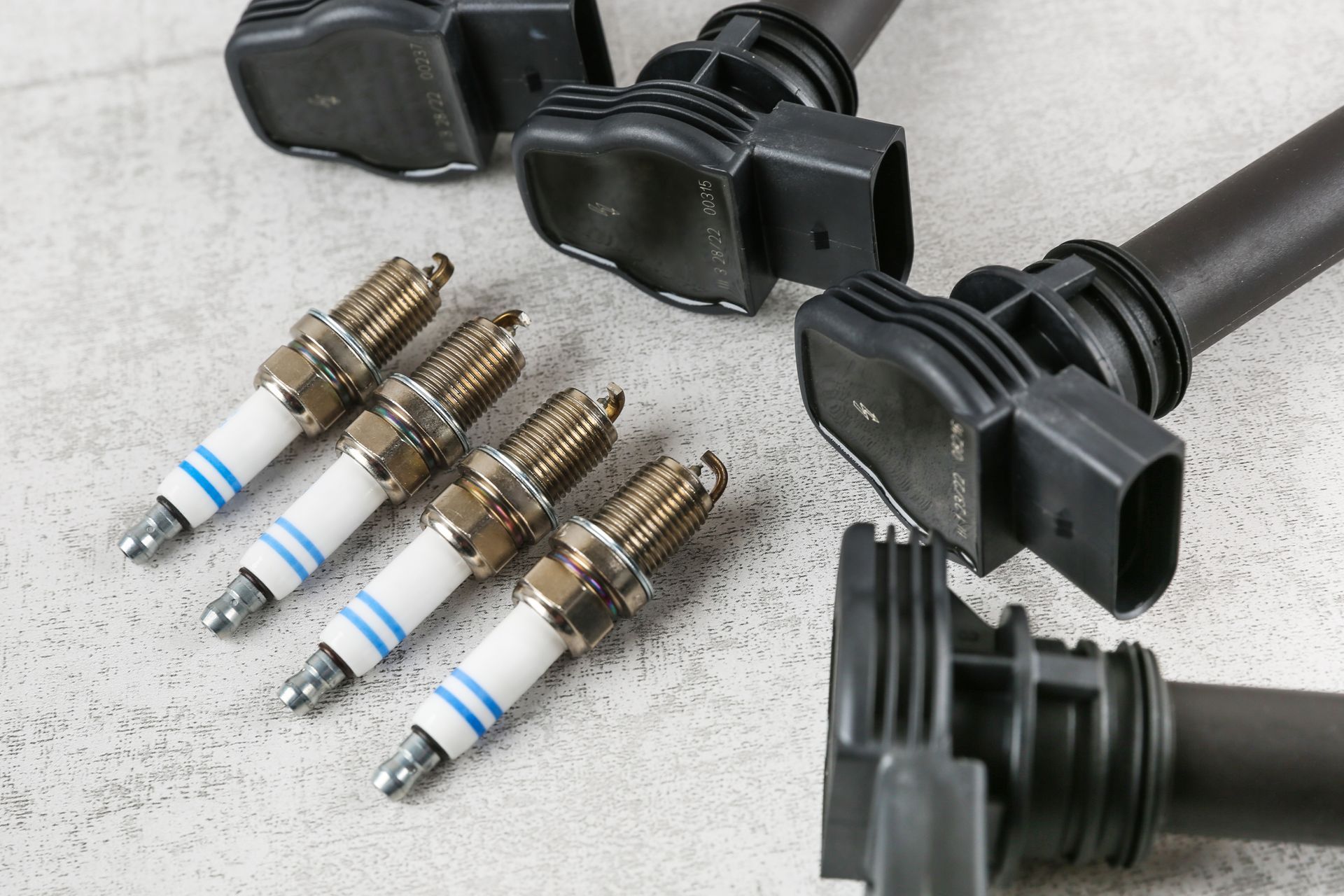
A car that starts instantly all summer long can begin cranking longer or idling rough once mornings turn cooler. Weak batteries, worn spark plugs, ignition coil problems, fuel pressure issues, and sensor faults can all become more noticeable as temperatures change.
Regular maintenance makes these changes easier to catch because we can compare the current condition with the vehicle's service history. If the engine starts differently than it did a month ago, that change is worth checking before colder weather makes it more consistent.
Get Fall Vehicle Service In Indian Trail, NC, With East Carolina Automotive
If you want to make sure your vehicle is ready for cooler mornings, wet roads, and shorter fall days, East Carolina Automotive in Indian Trail, NC, can check the battery, tires, wipers, belts, fluids, lights, and other seasonal essentials.