Premium costs more, so it's tempting to expect more miles from the tank. Will your car actually provide them? That depends on the engine and the fuel it was designed to use. Some vehicles can benefit from higher octane under particular conditions, while others gain little from the extra cost.
Start with the owner's manual. Required premium and recommended premium mean different things, and a car designed for regular fuel is another case. Once you understand that instruction, you can decide whether a permitted change in grade is worth comparing on your usual drives around Indian Trail.
Premium Gas Provides Higher Knock Resistance
Octane describes a gasoline's resistance to abnormal combustion known as knock. It isn't a rating of how much energy the fuel contains or how thoroughly it cleans the engine. Higher octane helps an engine tolerate operating conditions that could cause knocking with a lower suitable grade.
That protection can help in engines designed with higher compression, significant turbocharger boost, or specific control settings. It doesn't mean every engine can create more power from premium. If the vehicle was designed to operate normally on regular gasoline, higher octane alone may provide little practical benefit.
Required Premium Gas Is Different From Recommended Premium
If the manufacturer requires a premium, use the specified minimum octane and follow any instructions for an emergency exception. Don't treat a knock sensor as permission to use unsuitable fuel indefinitely. The engine's control system has limits, and the right fuel, along with proper maintenance, helps protect intended operation.
When premium is recommended rather than required, the manufacturer may allow regular fuel while noting performance changes under certain conditions. Read the full instructions instead of relying on the word premium alone. Fuel cap markings can help, but the manual usually provides the detail needed to interpret the recommendation.
Some Engines Can Adjust Their Operation With Premium Fuel
Certain engines adjust ignition timing, boost, or other settings based on fuel quality and operating conditions. Higher octane may let them maintain a more favorable setting when regular fuel would require adjustment to avoid knock. The difference can become more apparent under heavy load or in demanding conditions.
The possible result isn't a fixed improvement for every trip. A gentle commute may show little change, while another use pattern produces a measurable difference. You still need to separate a real efficiency benefit from normal variation in traffic, temperature, route, and driving style before attributing it to fuel grade.
Premium Fuel Economy Gains May Not Offset The Price
Even if the vehicle travels slightly farther per gallon on premium, the extra distance may not cover the higher purchase price. Compare fuel cost per mile, not just the distance shown on the dashboard. A small efficiency improvement and a much larger price increase can leave you spending more overall.
For a meaningful comparison, use measured distance and fuel added across several similar tanks. Keep the route, load, and driving habits reasonably consistent. Don't test a lower grade that the manufacturer prohibits. The point is to compare permitted choices, rather than risk the engine for an informal fuel experiment.
Gasoline Quality And Octane Are Separate Choices
Detergent content, fuel composition, and octane describe different characteristics. Buying premium doesn't automatically mean regular gasoline lacks useful cleaning additives. Ethanol content can also influence energy per volume, so comparisons between different blends may involve more than the octane number displayed on the pump.
Use fuel that meets the vehicle's requirements and comes from a reliable source. If poor running begins immediately after refueling, tell the shop where and when you filled up. Contaminated or incorrect fuel needs a different response than choosing between suitable regular and premium grades during ordinary use.
Driving Habits Often Change Fuel Economy More Than Premium Gas
Repeated acceleration, prolonged idling, short trips, and unnecessary speed can increase fuel use regardless of the selected grade. Tire pressure and vehicle load affect the comparison as well. Those influences are easy to miss when you focus only on the fuel receipt from the last fill-up.
Before comparing permitted fuel grades, check these basics:
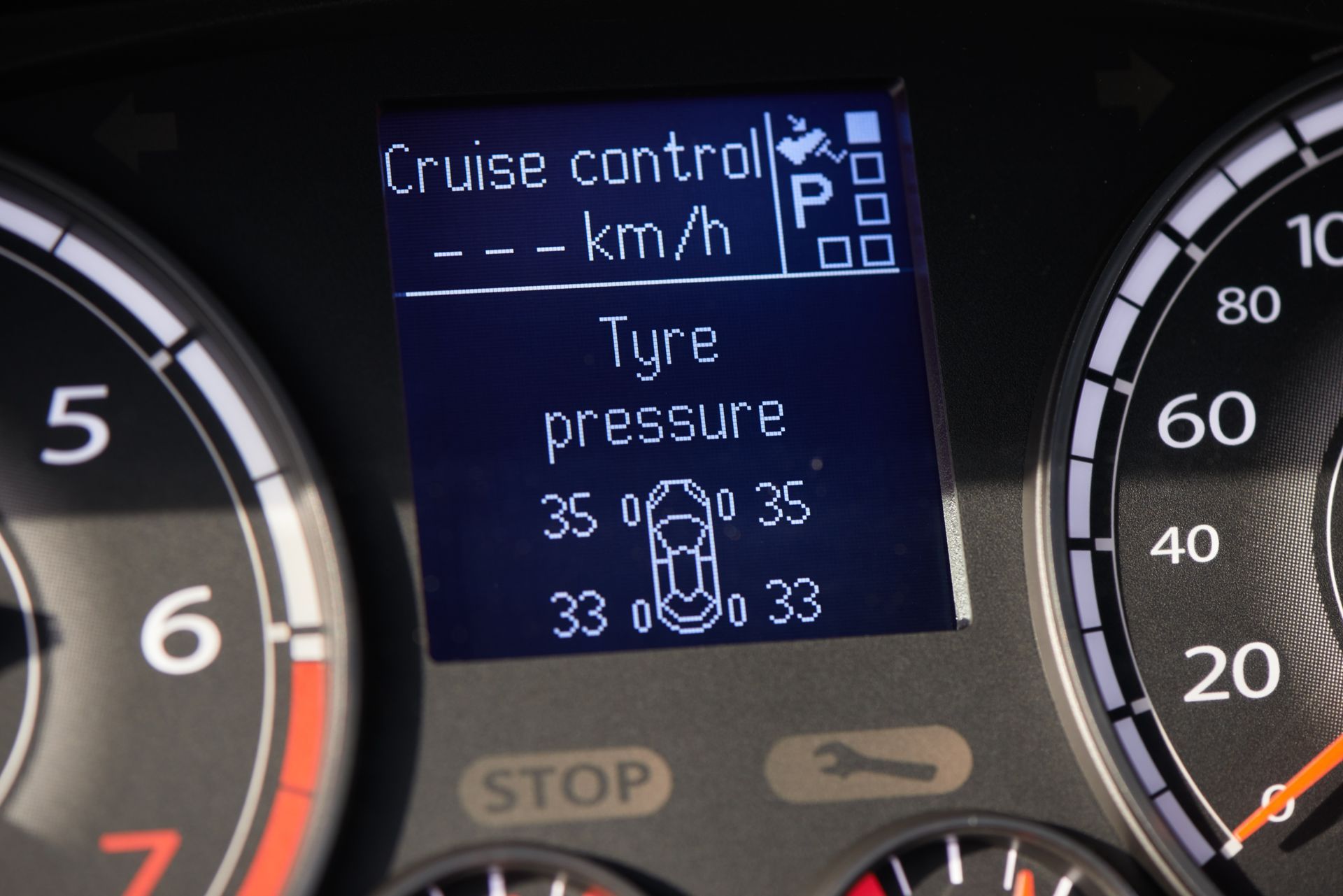
- Set cold tire pressures to the vehicle's specified values.
- Compare similar routes rather than city errands with highway travel.
- Note idling and major changes in weather or traffic.
- Keep vehicle loading similar during each comparison.
A consistent baseline helps you see whether the fuel change produced a meaningful difference.
Poor Fuel Economy Needs More Than A Premium Gas Trial
If consumption suddenly worsens, especially with hesitation, rough idle, or a warning light, have the vehicle checked. Switching grades can distract from a fuel-control problem, ignition fault, brake drag, or another condition. Higher octane can't repair a malfunctioning component or replace an overdue service.
Bring your fuel records and the grade recommended in the manual. If engine operation has changed, that needs checking before you put the difference down to fuel choice. You'll then have a better basis for choosing between permitted grades and deciding whether the car needs service for another cause of poor economy.
Get Fuel Efficiency Checks In Indian Trail, NC
East Carolina Automotive in Indian Trail, NC, can inspect changes in fuel consumption and help you understand your vehicle's fuel requirements. Share any running symptoms and recent fill-up details so we can check the relevant systems and explain the findings.
Contact us to schedule a fuel economy and engine performance inspection.